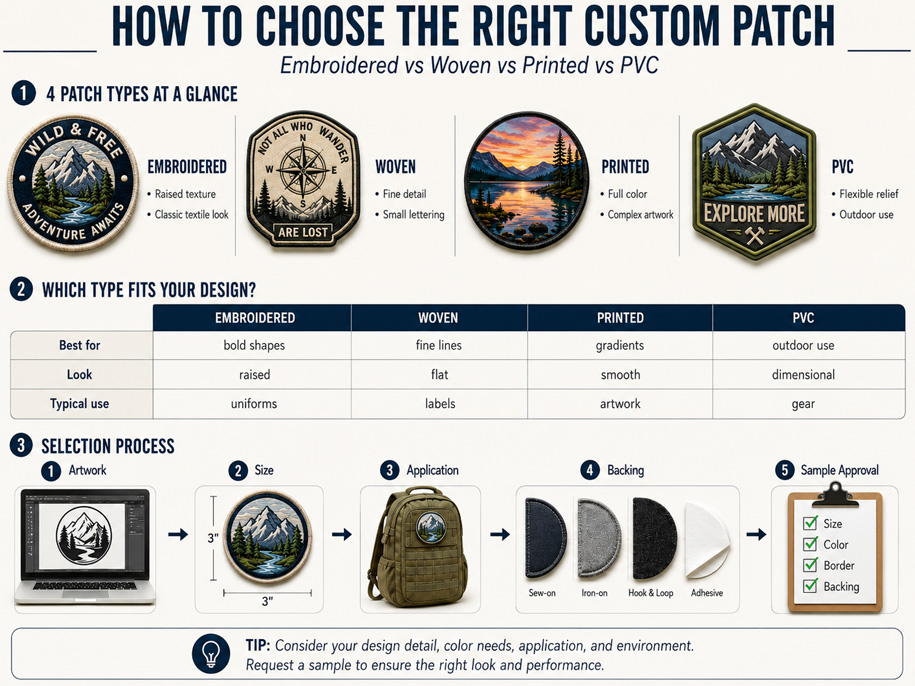
What is Printing Patches?
author: Zoe
2024-10-16
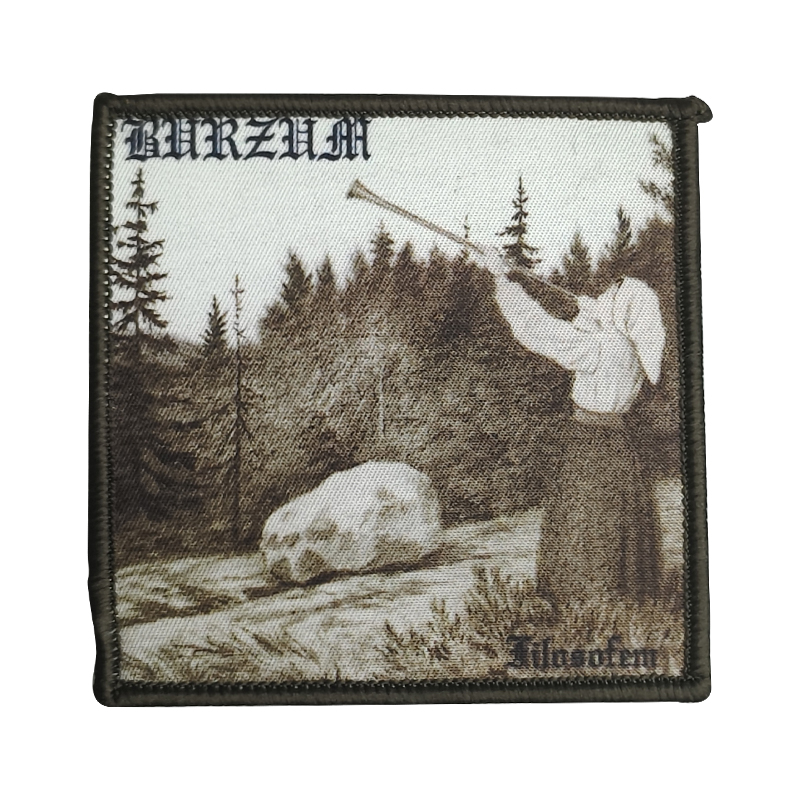
Printing patches, also known as sublimation patches, are a method of applying custom designs or logos onto fabric patches using a heat press or iron-on process. This versatile and cost-effective form of customization can be used on multiple types of fabrics such as uniforms, jackets, hats, bags, and even t-shirts. Printing patches offer endless possibilities for customization and branding, making it an attractive choice for organizations, teams, or individuals looking to make a unique statement.
The process of creating printing patches is relatively simple and cost-effective. First, the design or logo is printed on fabric using a special printer and ink that allows for heat transfer. The design is then cut out using a die cutter or scissors, making sure to keep the edges clean and crisp. Next, the patch is placed onto the garment and heat-pressed at a high temperature for a certain amount of time, ensuring that the design is securely transferred to the fabric.
Printing patches offer several advantages over traditional embroidery patches. Firstly, printing offers a higher level of detail and accuracy, making it more suitable for intricate or detailed designs that may not be possible with embroidery. Secondly, it is a quicker process, making it possible to produce a large quantity of patches in a shorter amount of time. Lastly, printing patches are more cost-effective, making it ideal for smaller teams or organizations on a tight budget.
Another advantage of printing patches is that it allows for more versatility in terms of the types of fabrics that can be used. While embroidery patches are restricted to certain types of fabrics such as cotton or polyester blends, printing patches can be used on multiple types of fabrics such as nylon, leather, and even fleece. This makes it an ideal choice for sports teams and outdoor enthusiasts who may require patches on different types of clothing.
Printing patches can be used for a variety of purposes, including business branding, sports team logos, or individual expression. It is a great way to create an identity for a company or group, as well as a way to show support for a cause or organization. For example, a company may choose to print their logo onto patches to give to their employees to wear on their uniforms. Similarly, a sports team can use printing patches to display their logo or team name on their uniforms, jackets or hats, creating a unified and recognizable look for their team.
In addition, printing patches can also be used for individual expression, particularly in the fashion industry. Designers can use customized printing patches as a way to add artistic flair to their garments and accessories, providing a unique and personal touch to their designs. Similarly, individuals can create their own printed patches and iron them onto their clothing to express their individuality.
In conclusion, printing patches are a versatile and cost-effective method of customization that offers endless possibilities for branding, sports team logos, and individual expression. The process of creating printing patches is relatively simple, allowing for a large production of high-quality patches in a short amount of time. The ability to apply printing patches onto multiple types of fabrics makes it an attractive choice for various industries, and it can also be used for personal expression in the fashion industry. With the versatility and cost-effectiveness of printing patches, it is no wonder why it has become increasingly popular in recent years.
The Usage of Embroidery Patches and How to Apply to Clothing
Custom Patches
Related Article

Explore when custom printed iron on patches, sublimation patches, and full color custom patches are better for photos, gradients, fine details, and smooth color transitions.
When Printing Works Better Than Thread

Improve patch performance by learning how to digitize logo for embroidery, select suitable patch backing, and optimize stitch density embroidery for clean, durable results.
Inside a Custom Embroidered Patch: What Determines Quality?