Why Premium Fabric Merchandise Is Replacing Traditional Promotional Gifts
Introduction
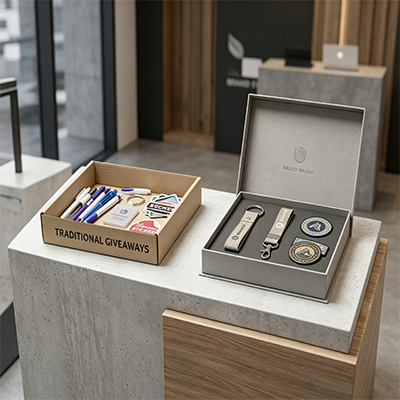
In recent years, global brands have been rethinking how they approach promotional gifting. Traditional items such as plastic giveaways, low-cost pens, and generic souvenirs are gradually losing their impact. In contrast, premium fabric merchandise is emerging as a preferred solution for modern brand communication and customer engagement.
This shift is not only driven by aesthetics, but also by changes in consumer expectations, sustainability awareness, and the demand for more meaningful brand experiences across different industries including fashion, lifestyle, sports, and creative communities.
From Disposable Gifts to Long-Term Brand Assets
Traditional promotional gifts are often designed for short-term exposure. However, they are frequently discarded or forgotten after initial use, limiting their marketing value and return on investment.
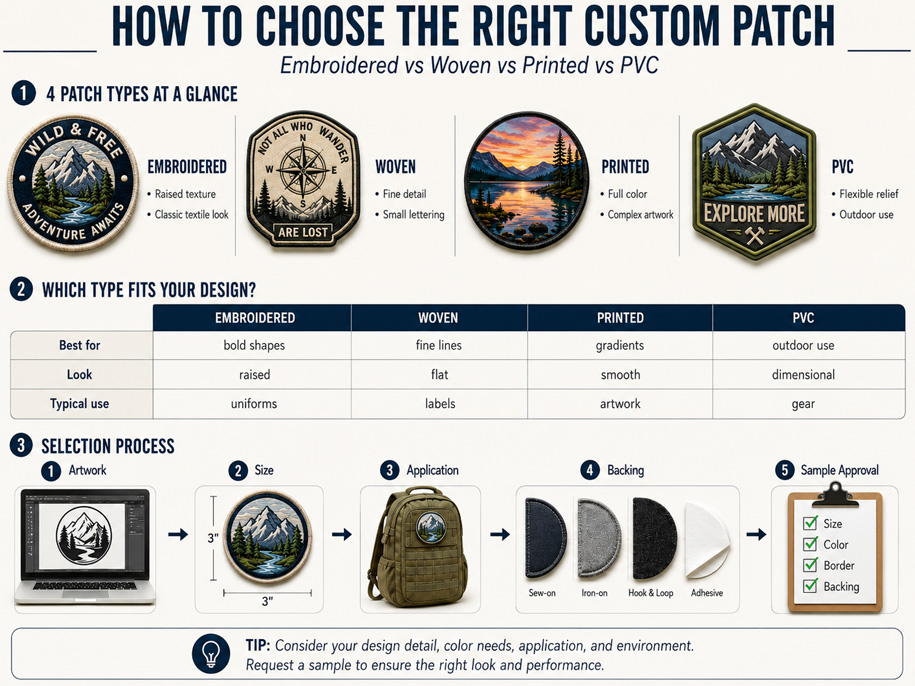
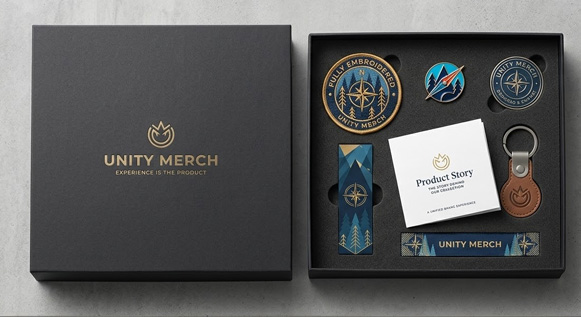
Premium fabric merchandise—such as woven accessories, embroidered items, fabric keychains, lanyards, and custom patches—offers a completely different lifecycle. These products are designed for durability, repeated use, and daily visibility, allowing brands to maintain long-term presence in customers’ lives.
A well-designed fabric product can remain in circulation for years, continuously reinforcing brand recognition without additional marketing cost. In many cases, these items become part of a user’s personal style or everyday carry items, further increasing exposure.
The Rise of Perceived Value in Branding
Modern consumers are more sensitive to product quality, design details, and overall presentation. A poorly made promotional item can negatively affect brand perception, while a premium fabric product enhances it significantly.
Fabric-based merchandise provides texture, craftsmanship, and visual depth that plastic or printed giveaways cannot replicate. The stitching, weaving structure, and material selection all contribute to a stronger sense of authenticity.
As a result, companies are increasingly viewing merchandise not as a cost center, but as a strategic branding investment that reflects their identity, positioning, and market value.

Sustainability and Modern Consumer Expectations
Sustainability has become a key factor influencing purchasing decisions across global markets. Many traditional promotional products contribute to waste due to their short lifespan and limited usability.
Premium fabric merchandise offers a more sustainable alternative. With reusable materials, longer product life cycles, and reduced disposable waste, fabric-based solutions align better with modern environmental expectations.
In addition, many brands are now actively communicating sustainability through their merchandise choices, using eco-friendly packaging and durable materials to reinforce responsible brand positioning.
This shift is especially important for brands targeting younger, eco-conscious audiences who value long-term usability over short-term novelty.
Stronger Performance in Brand Engagement
Compared to traditional giveaways, premium fabric merchandise performs better in real-world engagement scenarios. Items such as woven keychains, fabric patches, and branded accessories are often carried, worn, or displayed in visible environments, extending brand exposure organically.
These products also perform well in community-driven marketing strategies, including:
* Brand events and exhibitions
* Product launches and campaigns
* Influencer collaborations
* Membership reward programs
* Corporate gifting initiatives
* Limited-edition drops
Each touchpoint strengthens the emotional connection between customers and brands, while also encouraging user-generated content and social sharing.
The Role of Customization in Modern Merchandise
Another important factor driving this shift is the rise of customization. Premium fabric merchandise allows brands to create highly tailored designs that reflect their visual identity, campaign themes, or seasonal collections.
From color matching and logo integration to unique shapes and packaging design, customization enables brands to deliver a more cohesive and memorable experience. This level of flexibility is difficult to achieve with traditional promotional products.
As a result, brands are increasingly working with specialized manufacturers that can provide end-to-end solutions, from design development to final production.

Conclusion
The transition from traditional promotional gifts to premium fabric merchandise reflects a broader evolution in branding strategy. Companies are no longer focused solely on visibility—they are focused on experience, longevity, and emotional impact.
As this trend continues to grow, premium fabric merchandise is expected to play an increasingly important role in global brand marketing, replacing disposable promotional items with meaningful, high-quality alternatives that deliver lasting value and stronger customer engagement.
Why Premium Fabric Merchandise Is Replacing Traditional Promotional Gifts
In recent years, global brands have been rethinking how they approach promotional gifting. Traditional items such as plastic giveaways, low-cost pens, keychains, and generic souvenirs are gradually losing their impact in modern marketing campaigns. In contrast, premium fabric merchandise is emerging as a preferred solution for brand communication, customer engagement, and long-term visibility.
This shift is not only driven by aesthetics, but also by changes in consumer expectations, sustainability awareness, and the demand for more meaningful, story-driven brand experiences across industries such as fashion, lifestyle, sports, entertainment, and creative communities.
At the same time, the rise of social media and community-based marketing has further accelerated the demand for visually appealing and durable branded products.
From Disposable Gifts to Long-Term Brand Assets
Traditional promotional gifts are often designed for short-term exposure. However, they are frequently discarded or forgotten after initial use, limiting their marketing value and return on investment.
Premium fabric merchandise—such as woven accessories, embroidered items, fabric keychains, lanyards, badges, and custom patches—offers a completely different lifecycle. These products are designed for durability, repeated use, and everyday visibility, allowing brands to maintain long-term presence in customers’ lives.
Unlike disposable items, fabric-based products integrate into daily routines. A woven keychain attached to a bag, or a patch placed on clothing, can generate continuous brand impressions in real-world environments such as schools, offices, travel, and social gatherings.
This transforms merchandise from a one-time giveaway into a long-term brand asset.
The Rise of Perceived Value in Branding
Modern consumers are more sensitive to product quality, design details, and overall presentation. A poorly made promotional item can negatively affect brand perception, while a premium fabric product enhances it significantly.
Fabric-based merchandise provides texture, craftsmanship, and visual depth that plastic or printed giveaways cannot replicate. The stitching structure, weaving precision, and material selection all contribute to a stronger sense of authenticity and value.
In many cases, customers associate product quality directly with brand credibility. This means that high-quality merchandise can positively influence how a brand is perceived in terms of professionalism, reliability, and market positioning.
As a result, companies are increasingly viewing merchandise not as a cost center, but as a strategic branding investment that reflects their identity and long-term market value.

Sustainability and Responsible Brand Positioning
Sustainability has become a key factor influencing purchasing decisions across global markets. Many traditional promotional products contribute to environmental waste due to their short lifespan and limited usability.
Premium fabric merchandise offers a more sustainable alternative. With reusable materials, longer product life cycles, and reduced disposable waste, fabric-based solutions align better with modern environmental expectations.
In addition, many brands are now actively integrating sustainability messaging into their merchandise strategy, using eco-friendly materials, recyclable packaging, and minimal-waste production methods.
This is particularly important for companies targeting Gen Z and millennial audiences, who tend to prefer brands that demonstrate environmental responsibility and long-term thinking.
Stronger Performance in Brand Engagement and Visibility
Compared to traditional giveaways, premium fabric merchandise performs significantly better in real-world engagement scenarios. Items such as woven keychains, fabric patches, wristbands, and branded accessories are often carried, worn, or displayed in visible environments.
This creates ongoing exposure in everyday life situations, including commuting, travel, shopping, and social interactions.
In addition, fabric merchandise performs well in modern marketing strategies such as:
* Brand activation events
* Product launch campaigns
* Influencer collaborations
* Community reward systems
* Corporate gifting programs
* Pop-up stores and exhibitions
* Limited-edition merchandise drops
Each of these scenarios increases both brand visibility and emotional connection with the audience.
Furthermore, visually appealing merchandise is more likely to be shared on social media platforms, generating organic marketing value beyond the initial distribution.

The Growing Importance of Customization and Design Flexibility
One of the key drivers behind the rise of fabric merchandise is the high level of customization it allows. Unlike mass-produced promotional items, premium fabric products can be tailored to match a brand’s identity with precision.
Customization options often include:
* Color matching and Pantone selection
* Logo weaving or embroidery integration
* Unique shapes and silhouettes
* Multi-layer fabric structures
* Custom attachments and accessories
* Branded packaging design
* Limited edition variations
This flexibility enables brands to build cohesive product collections that align with seasonal campaigns, marketing events, or specific audience segments.
As a result, many companies now prefer working with specialized manufacturers capable of providing end-to-end solutions, from design development to sampling and mass production.
Integration into Modern Brand Ecosystems
Premium fabric merchandise is no longer limited to standalone giveaways. It is increasingly being integrated into broader brand ecosystems.
For example, many companies now combine merchandise with:
* E-commerce product launches
* Subscription-based membership boxes
* Event-based reward systems
* Influencer PR kits
* Corporate onboarding packages
* Fan community engagement programs
This integration helps create a unified brand experience across physical and digital touchpoints.
In this context, merchandise becomes part of a larger storytelling system rather than an isolated marketing tool.
The transition from traditional promotional gifts to premium fabric merchandise reflects a broader evolution in global branding strategy. Modern companies are no longer focused solely on short-term visibility—they are prioritizing experience, emotional connection, and long-term brand value.
Premium fabric merchandise offers a unique combination of durability, customization, sustainability, and visual impact, making it an increasingly important tool in modern marketing.
As consumer expectations continue to evolve, brands that invest in high-quality, thoughtfully designed fabric merchandise will be better positioned to build stronger relationships, enhance brand perception, and achieve sustainable long-term growth in competitive global markets.

2026 Consumer Preferences in Custom Fashion Accessories
The Rise of Woven Merchandise in Global Lifestyle Branding
Related Article