
2025 Series: Customized Embroidery Patch AI Design Tools Meet Diverse and Personalized Needs
author: Cindy
2025-07-30
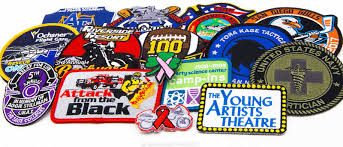
The Evolution of Expression in Stitched Form
For centuries, embroidery served as a meticulous handcraft—a language of thread conveying identity, loyalty, and artistry. Today, that language is undergoing a revolutionary translation. Powered by generative AI, cloud-based production, and hyper-personalization, custom embroidery patches have transformed from niche craft items into dynamic storytelling tools worn on sleeves, backpacks, and corporate uniforms worldwide. As demand surges for bespoke wearable art, innovators like Gelato, Cricut, and pioneering academic labs are converging to redefine what’s possible with needle, thread, and algorithm.

From Sketch to Stitch: How AI Democratizes Customization
1. AI-Powered Design Generation: Where Ideas Become Digital Blueprints
Gone are the days of requiring graphic design expertise to create patch artwork. Modern platforms like Cricut’s Create AI (integrated into Design Space®) allow users to type conceptual prompts—e.g., "vintage owl with telescope, celestial theme"—and generate clean, cut-ready vector designs in seconds. Optimized for machine readability, these AI outputs bypass complex manual digitization, a traditional bottleneck in embroidery production. Similarly, MSEmbGAN, a breakthrough model from Wuhan Textile University, uses region-aware texture generation to auto-convert images into embroidery patterns with precise stitch-type prediction, dramatically reducing technical barriers.
2. Material & Workflow Intelligence: Optimizing for Physical Perfection
Once a design is finalized, AI-driven production ecosystems take charge. Systems like GelatoConnect automate material procurement, machine scheduling (DTF, DTG, embroidery), and logistics. By analyzing thread density, fabric type, and complexity, they dynamically assign jobs across global partner networks—cutting material overhead by 40% and errors to <0.35%. For creators with desktop machines, xTool’s AI Make syncs with laser cutters/engravers like the F1 Ultra to prototype patches rapidly, testing textures on leather, denim, or recycled substrates before mass production.
3. User-Centric Platforms: One-Click Accessibility
Leading solutions prioritize intuitive interfaces:
Prompt-based design studios (e.g., Doubao AI + laser tools): Input keywords ("steampunk butterfly," "eco-friendly jute") for instant visual concepts and material pairing suggestions
3D preview renderings: Visualize texture depth and thread sheen pre-stitch
Automated compliance checks: Flag sizing/color conflicts for brand or regulatory standards
Precision Engineering: The New Embroidery Tech Stack
Next-Gen Machinery & Stitch Innovation
Industrial embroidery’s speed and versatility have exploded. The xTool F1 Ultra—a 20W fiber/diode laser engraver—operates at 10,000 mm/s, etching metallic threads or cutting dense felt with micron accuracy. For complex 3D effects (e.g., raised petals, rope-like borders), multi-head embroidery machines deploy up to 15 needle types automatically—from fine satin stitches to bullion knots—guided by AI-optimized pathing
Eco-Conscious Material Science
Patches now embrace sustainability:
Threads: Recycled polyester, biodegradable rayon (e.g., Uwin’s "Eco-Friendly" line)
Backings: Plant-based adhesives (replacing PVC)
Zero-waste production: Gelato’s on-demand model eliminates overstock, while AI nesting minimizes fabric scrap

More Than Decor: The Unspoken Stories in Every Patch
Cultural Preservation & Identity
Patches encode heritage and belonging. Taiwanese brand A-ONE stitches national flags using traditional "luómǎniyà" techniques—not just as symbols, but as heirlooms preserving regional craftsmanship. Similarly, rodeo patches like Camp Ben’s Hall of Fame series embody Texan equestrian pride, worn as badges of honor among bull riders and barrel racers.
Personal Narratives & Community
Memorial patches: Transforming a loved one’s doodle into a jacket keepsake
Fandom tokens: Limited-edition patches traded at anime cons or music festivals
Advocacy statements: Neurodiversity symbols, climate slogans
From High Fashion to Hardware: Application Frontiers
1. Brand & Team Identity
Corporate uniforms: Employee-designed "values patches" for Walmart, Salesforce
Sports leagues: Customizable esports jerseys with player avatars
2. Fashion & Sustainability
Luxury brands like Gucci now integrate upcycled denim patches using deadstock fabric. Indie designers leverage AI texture tools to simulate intricate lace or tribal weaves—then produce locally via services like Gelato.
3. Industrial & Safety Use
IoT-enabled patches: Reflective + RFID-equipped for warehouse worker tracking
Medical alerts: Red cross + condition symbol patches for diabetics or epilepsy
Why Patches Matter in 2025: The Data Speaks
Google Trends reveals explosive interest:
+210% for "personalized embroidery patches" (2024–2025)
+180% for "AI custom clothing"
Top queries: "eco patches," "quick-turn patch design," "3D embroidered logos"
Market drivers include:
Democratization: Artists/entrepreneurs launch patch-based merch with zero inventory
Nostalgia: Revival of punk/DIY aesthetics among Gen Z
Micro-branding: Patches as viral marketing (e.g., limited drops for streetwear collabs)
Conclusion: Stitching the Future, One Algorithm at a Time

The era of static, mass-produced patches is fading. In its place rises an agile ecosystem where generative AI, ethical production, and profound personalization converge. As MSEmbGAN researcher Hu Xinrong noted, "The soul of embroidery isn’t threatened by automation—it’s amplified." When a child’s doodle becomes a professional-grade patch overnight, or a Ukrainian artist fundraises via AI-generated floral resistance emblems, we witness technology not replacing craft, but expanding its voice.
For brands and makers alike, the message is clear: In a world craving authenticity, the most powerful stories aren’t just told. They’re stitched—thread by algorithmic thread—onto the fabric of everyday life.
Professional Perspective: The Market Landscape and Technological Transformation of the Embroidery Patch Industry
From DIY Desktops to Global Factories: The 3D Printed Keychain Revolution
Related Article

Compare soft enamel vs hard enamel pins by surface, artwork, plating and application. This white paper explains how to specify custom made lapel pins, select suitable attachments and approve samples before placing custom enamel pins bulk orders for branded merchandise, events or retail use.
Soft Enamel vs Hard Enamel Pins: Choosing the Right Finish for Custom Orders
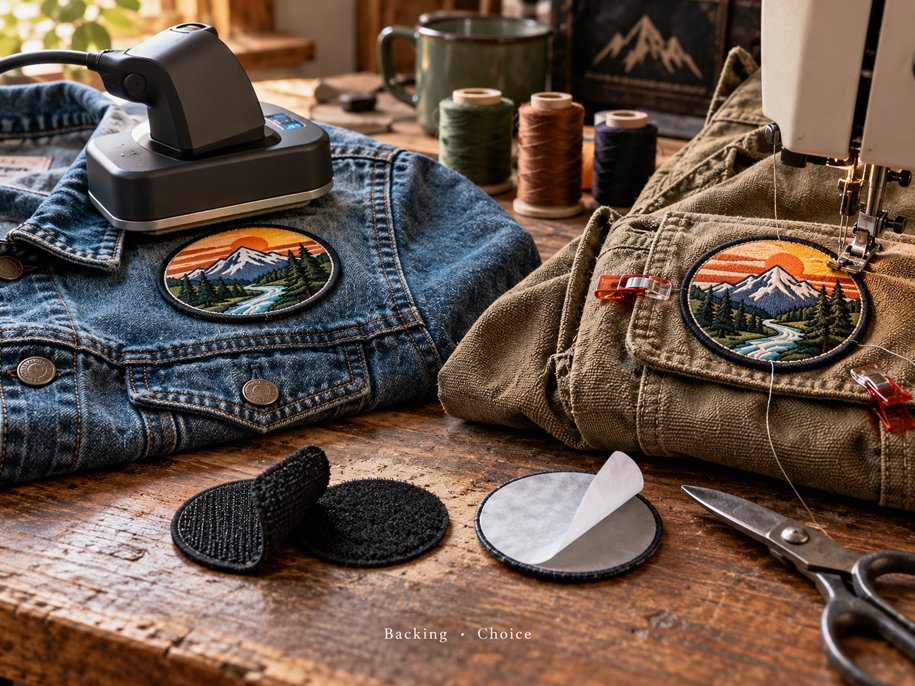
Compare iron-on vs sew-on patches to understand how heat application and stitching affect fabric, installation and care. The article also explains when Velcro patch backing suits removable identification and how common patch backing types fit uniforms, jackets, hats and bags.
Iron-On vs Sew-On Patches: Which Backing Is Right for Your Order?
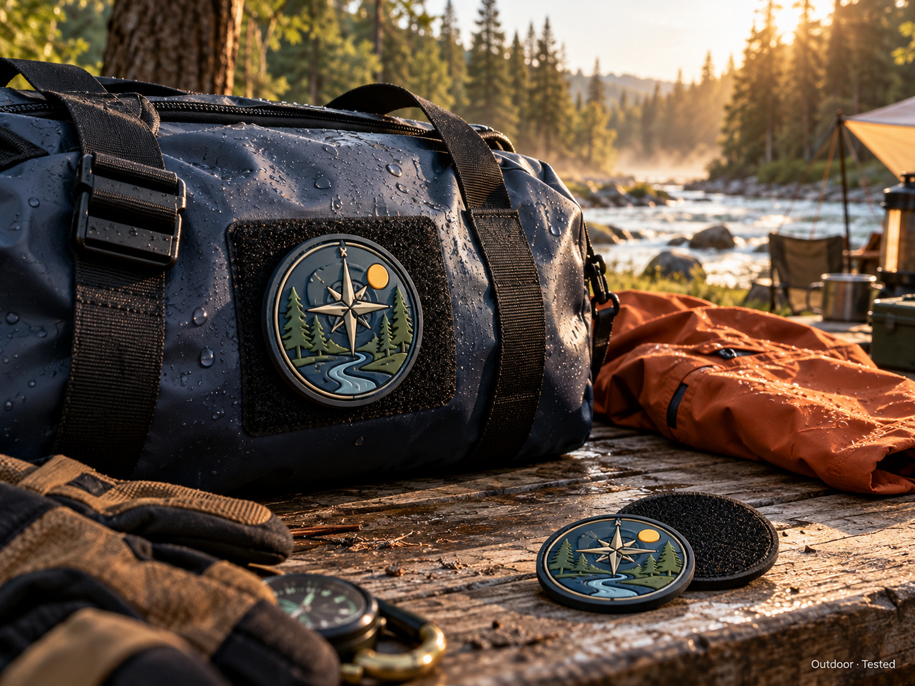
See what makes PVC patches for outdoor gear suitable for real use. From flexible tactical PVC patches to durable patches built for rain, dirt, abrasion and repeated handling, learn how material, design and attachment affect outdoor performance.
What Makes a PVC Patch Ready for Outdoor Use?
