Custom Embroidery Patches & Bookmarks: Elevating Craft, Personalization, and Speed

In an era where authenticity and individuality reign supreme, the global embroidery market is booming—projected to hit $85.7 billion by 2025, according to the latest Global Embroidery Industry Outlook. At the forefront of this growth are custom embroidery patches and embroidered bookmarks, two versatile products that blend time-honored craftsmanship with modern demand for personalization. From small-batch gifts to large-scale branding campaigns, these items are redefining how businesses and consumers express identity, tell stories, and connect with audiences—all while prioritizing fast turnaround and premium quality.
Custom Embroidery Patches: More Than Just Decor—A Canvas for Identity
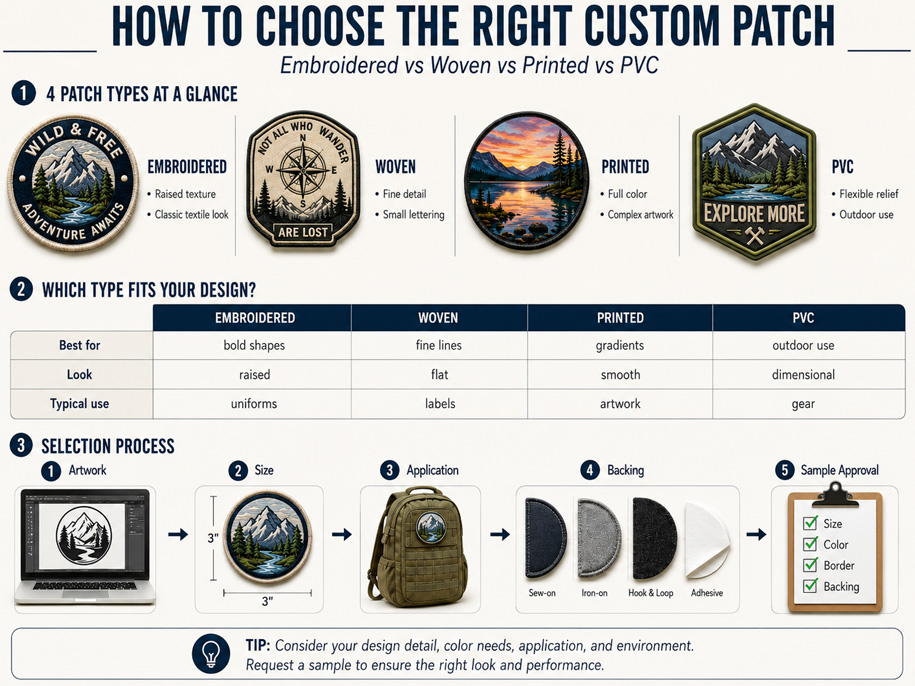
Custom embroidery patches have evolved far beyond their utilitarian roots as uniform insignias. Today, they’re a cornerstone of personalized fashion, brand storytelling, and community building. What drives their appeal? There is no doubt, endless customization, paired with techniques that cater to every vision.
Design Freedom: From Sketches to Stitches
Leading providers now offer end-to-end custom embroidery services that turn even the vaguest ideas into tangible art. Whether a band wants a 3” circular patch for tour merch, a school needs 500 crest patches for graduation gowns, or a startup is designing a quirky logo patch for employee swag, the process starts with digitizing services—where skilled technicians convert artwork into stitch-ready files using industry-standard software like Wilcom and Tajima. This step ensures precision, even for intricate designs: think tiny text, gradient threads, or multi-layered motifs.

Trending customization options include:
3D puff embroidery: Adds raised, tactile depth—perfect for logos or statement designs, Metallic & neon threads: For eye-catching appeal, used widely in festival merch and streetwear. Shape-cut patches: Beyond standard squares or circles, die-cut shapes (think stars, animals, or brand silhouettes) add uniqueness, popular among indie brands and DIY enthusiasts.
Reversible designs: A niche but growing trend, where patches feature different art on each side—ideal for double-sided jackets and versatile accessories.
Materials That Matter
Durability is non-negotiable, which is why top suppliers prioritize premium materials. Base fabrics range from heavy-duty canvas (for workwear patches) to lightweight twill (for delicate linens), while threads span cotton (for a soft finish), polyester (fade-resistant, great for outdoor use), and eco-friendly options like organic cotton or recycled polyester—responding to the 68% of consumers who prioritize “sustainable embroidery products”.
Backing options further tailor patches to their use:
Iron-on backing: A favorite for quick DIY projects, convenient to use and washable with water.
Sew-on backing: For long-lasting attachment on heavy fabrics like denim or leather.
Adhesive backing: Removable and reusable, perfect for temporary branding at events or pop-ups.

Embroidered Bookmarks: Where Function Meets Sentiment
While embroidery patches dominate apparel and accessories, embroidered bookmarks have carved their own niche in the gifting and stationery markets. More than just tools to mark pages, they’re keepsakes: a way to celebrate milestones, honor relationships, or elevate everyday reading.
Crafting the Perfect Bookmark
What sets a standout embroidered bookmark apart? Attention to detail, from size (typically 2”x6” to 3”x8”) to functional flourishes. Popular designs include:
Monogrammed bookmarks: Classic and timeless, with hand-stitched initials in cursive or block fonts—top sellers for Mother’s Day and graduation gifts.
Themed art: Literary motifs (think bookworms, quills, or quotes like “Read More”) for book clubs, or pop culture references (TV show logos, movie characters) for fan communities.
Mixed-media designs: Combining embroidery with materials like ribbon tassels, beaded accents, or pressed flowers—adding texture that “plain bookmarks” can’t match.
Sustainability shines here, too. Many suppliers now use felt made from recycled plastic bottles or organic cotton, paired with water-based inks for printed accents. “Our eco-friendly embroidered bookmarks have become a staple for independent bookstores,” notes a supplier in Vermont. “Shoppers love that they’re both beautiful and kind to the planet.”
Beyond the Bookshelf
Embroidered bookmarks aren’t just for readers. They’re versatile marketing tools: museums print exhibit dates on them, cafes pair them with “book + coffee” bundles, and schools use them as rewards for reading challenges. “We ordered 500 custom bookmarks with our library logo—they flew off the shelves during our summer reading program,” says a librarian in Texas. “Parents even asked if they could buy extras as gifts.”

Applications: Spanning Industries, Uniting Audiences
The beauty of embroidery patches and bookmarks lies in their adaptability. They transcend demographics and sectors, proving invaluable for:
Fashion & Streetwear: Brands like Supreme and local indie labels use limited-edition patches to drive hype, while individuals use them to upcycle thrifted clothing.
Corporate Branding: Tech firms, cafes, and nonprofits order bulk patches for employee uniforms or client gifts, turning everyday items into brand ambassadors. “Our sales team wears jackets with our logo patch—clients always comment on how professional it looks,” says a startup CEO.
Events & Milestones: Weddings use custom patches for guest favors (e.g., “Team [Bride]” or “Team [Groom]”), while festivals sell embroidered bookmarks with lineup details as collectibles.
Education & Sports: Schools emblazon crests on backpacks, and sports teams use chenille patches (soft, fuzzy, and retro) for letterman jackets.
Fast Delivery: Meeting the Need for Speed
In a market where 73% of buyers cite “quick delivery” as a key factor in purchasing decisions, embroidery suppliers are upping their game. Leading services now offer:
Rush production: 5–7 day turnaround for small orders (1–100 pieces), critical for last-minute events or gifts.
Bulk efficiency: 10–14 day lead times for orders over 500, thanks to automated stitching machines and streamlined workflows.
Global shipping: Trackable international delivery, with partnerships with carriers like DHL ensuring patches and bookmarks reach clients in Europe, Asia, or Australia within 2 weeks.
“Last year, a music festival contacted us 15 days before their event needing 2,000 band patches,” recalls a production manager. “Our team digitized the design overnight, prioritized the order, and had them shipped in 7 days. They sold out on day one—we’ve been their go-to ever since.”

The Future: Where Tech Enhances Tradition
As the industry grows, innovation is key. Augmented reality (AR) tools now let customers “try on” patches virtually via their phones, visualizing how a design will look on a jacket or backpack before ordering. AI-powered design assistants help users refine ideas, suggesting thread colors or stitch styles based on trends.
Yet, the heart of embroidery remains human. Skilled artisans still oversee quality checks, ensuring every stitch is even, every color vibrant. “Technology speeds things up, but the craft—knowing how to balance thread tension, how to make a design pop—will always be hands-on,” says a master embroiderer with 20 years of experience.
In 2025, custom embroidery patches and bookmarks are more than products—they’re stories stitched into fabric, memories woven into thread. Whether you’re a business building a brand, a crafter personalizing your style, or someone searching for the perfect gift, they offer a blend of creativity, quality, and speed that’s hard to match.
Ready to bring your vision to life? Contact [mcpatch] today for a free design consultation, instant quote, and fast delivery guarantee.

Embroidered vs Woven Patches: Uncovering Key Differences for Your Custom Needs
Greenhouse Launches Premium Custom Leather Patches for Personalized Fashion & Repair
Related Article