How Merchandise Strengthens Modern Brand Identity
Why Custom Merchandise Has Become an Essential Part of Modern Branding
Introduction
In today's competitive marketplace, a strong logo alone is no longer enough to establish a memorable brand. Customers interact with brands through multiple touchpoints, including products, packaging, apparel, accessories, events, and digital experiences. Every interaction shapes how a business is perceived.
This is why brand merchandise has become an essential component of modern brand identity. Rather than serving only as promotional giveaways, customized products now communicate a company's personality, values, quality standards, and creative vision.
Whether it is a custom embroidered patch on a jacket, a woven label inside a garment, a premium enamel pin, a metal badge, or a personalized keychain, every detail contributes to a consistent and recognizable brand image.
This report explores how custom merchandise strengthens modern brand identity, why consistency matters, and how businesses can create memorable customer experiences through professionally manufactured branded products.
Understanding Modern Brand Identity
Brand identity extends far beyond a company logo.
It includes every visual and physical element customers associate with a business, such as:
* Logo presentation
* Brand colors
* Typography
* Product packaging
* Apparel details
* Promotional merchandise
* Retail displays
* Customer experience
Successful brands ensure these elements work together to create a unified identity.
Custom merchandise plays an important role because it transforms visual branding into physical products that customers can wear, collect, and use in everyday life.
Merchandise Is More Than a Promotional Product
Many businesses once viewed merchandise simply as giveaways for exhibitions or marketing campaigns.
Today, merchandise serves a much broader purpose.
High-quality branded products can:
* Reinforce visual identity
* Increase customer recognition
* Communicate craftsmanship
* Reflect company values
* Create memorable brand experiences
* Encourage social sharing
* Support long-term brand positioning
Rather than being temporary marketing materials, merchandise has become part of the brand itself.

Creating Consistency Across Every Customer Touchpoint
Customers rarely judge a brand based on one product alone.
Instead, they evaluate the complete experience.
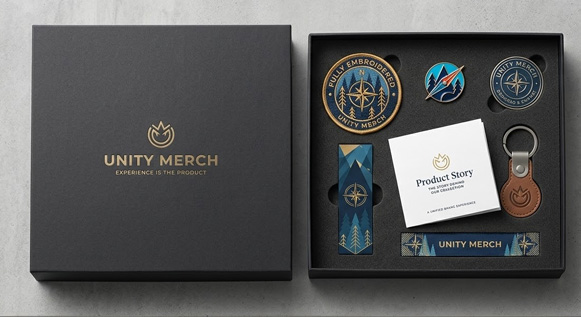
Imagine receiving:
* A hoodie with a premium embroidered patch
* A woven label featuring clean branding
* A matching enamel pin
* A branded metal keychain
* Elegant custom packaging
Although each item serves a different purpose, together they communicate professionalism and consistency.
This consistency builds trust and increases the perceived value of the brand.
The Role of Custom Merchandise in Brand Recognition
Brand recognition depends on repeated visual exposure.
Every time customers wear or use branded merchandise, they strengthen their familiarity with the brand.
Common examples include:
* Custom embroidered patches on apparel
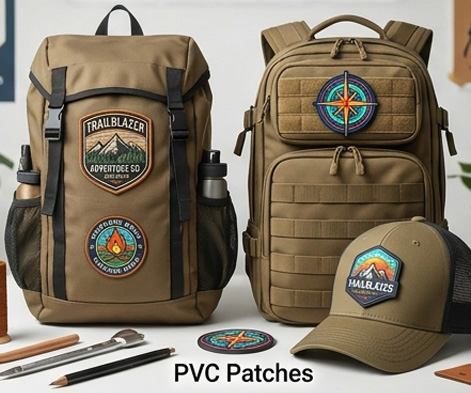
* PVC patches on backpacks
* Woven labels on fashion collections
* Enamel pins worn on jackets
* Metal badges on accessories
* Custom keychains used daily
These products continue promoting the brand long after a digital advertisement has disappeared.
Choosing the Right Merchandise for Different Brand Goals
Different products support different branding objectives.
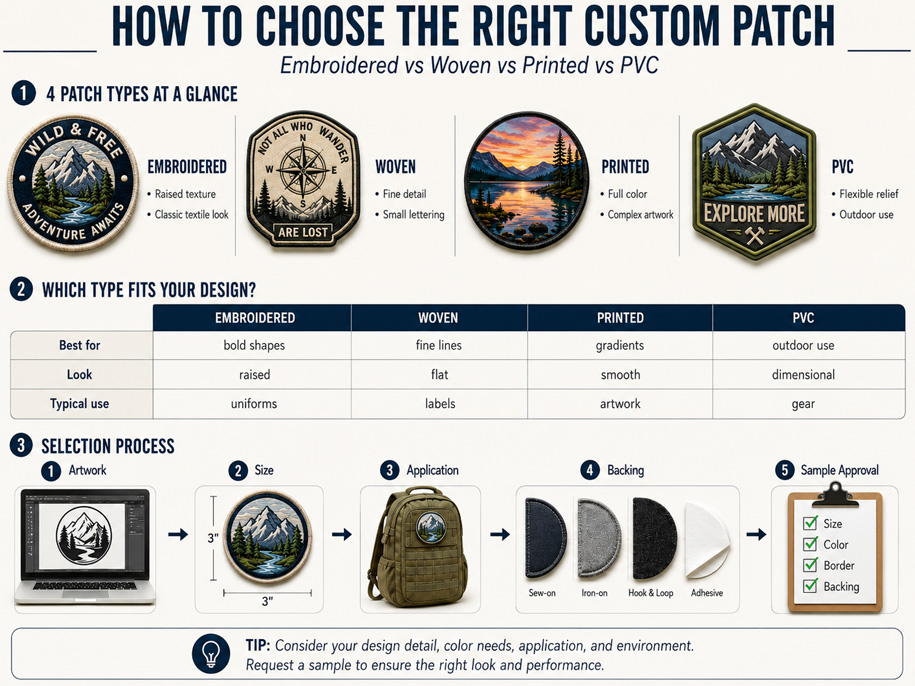
Custom Embroidered Patches
Embroidered patches communicate craftsmanship and authenticity.
They are widely used on:
* Fashion apparel
* Uniforms
* Denim collections
* Outdoor gear
* Promotional clothing
Their textured appearance immediately adds depth and premium value.
PVC Patches
Custom PVC patches provide a modern and durable branding solution.
Their advantages include:
* Waterproof performance
* Flexible material
* Bright Pantone colors
* Three-dimensional details
* Long-lasting durability
They are especially suitable for backpacks, caps, travel accessories, and performance apparel.

Woven Labels
Although small, woven labels play a major role in professional branding.
They help brands communicate:
* Authenticity
* Product quality
* Attention to detail
* Long-term consistency
A professionally designed woven label often leaves a stronger impression than customers realize.
Custom Enamel Pins
Enamel pins have become collectible brand assets.
Fashion brands, creative studios, lifestyle companies, and event organizers frequently use them to celebrate collaborations, product launches, and limited-edition collections.
Because customers enjoy collecting and displaying enamel pins, they naturally increase brand visibility.
Metal Badges and Custom Keychains
Metal accessories create a premium impression while extending branding beyond apparel.
Popular applications include:
* Retail merchandise
* Corporate branding
* Membership programs
* Promotional campaigns
* Customer gifts
Everyday accessories increase the number of customer interactions with the brand.

Merchandise as a Storytelling Tool
Strong brands tell stories.
Custom merchandise helps communicate those stories through materials, colors, textures, and craftsmanship.
For example, a lifestyle brand focused on outdoor exploration may combine woven labels, embroidered patches, and metal accessories inspired by mountains, travel, and adventure.
A fashion brand may use minimalist labels, matte metal badges, and subtle embroidery to reflect modern aesthetics.
When merchandise aligns with a brand's story, customers develop stronger emotional connections.
Why Manufacturing Quality Directly Influences Brand Perception
Even the best designs can lose value if production quality is inconsistent.
Poor embroidery, inaccurate colors, or low-quality materials may negatively affect customer confidence.
Professional manufacturers provide:
* Accurate Pantone color matching
* Precision embroidery
* High-quality metal finishing
* Durable materials
* Strict quality inspection
* Reliable production schedules
Consistent manufacturing ensures every product represents the brand professionally.

The Value of Working With a One-Stop Manufacturing Partner
Managing separate suppliers for patches, labels, metal products, and accessories often creates unnecessary complexity.
A professional one-stop promotional product supplier provides:
* Artwork optimization
* Product sampling
* Multiple manufacturing processes
* Quality assurance
* Packaging support
* International shipping
Working with one experienced custom merchandise manufacturer helps maintain consistent branding across every product category while improving production efficiency.
The Future of Brand Merchandise
Modern merchandise continues to evolve alongside consumer expectations.
Key trends include:
* Sustainable materials
* Personalized products
* Limited-edition collections
* Premium craftsmanship
* Multi-material combinations
* Small-batch manufacturing
* Lifestyle-focused accessories
Brands that invest in thoughtful merchandise strategies are better positioned to build stronger recognition in increasingly competitive markets.
Conclusion
Modern brand identity is built through every customer interaction—not just advertising.
From custom embroidered patches and PVC patches to woven labels, enamel pins, metal badges, and custom keychains, every product contributes to a consistent and memorable brand experience.
High-quality custom merchandise transforms visual branding into tangible experiences that customers recognize, appreciate, and remember.
By partnering with an experienced custom merchandise manufacturer and one-stop promotional product supplier, businesses can create cohesive merchandise collections that strengthen brand identity, improve customer recognition, and support long-term business growth.

Frequently Asked Questions
1. How does custom merchandise strengthen brand identity?
Custom merchandise transforms logos and visual elements into tangible products that customers can wear, use, and collect. Products such as custom embroidered patches, PVC patches, woven labels, enamel pins, and metal accessories reinforce brand recognition, improve customer engagement, and create a consistent brand experience across multiple touchpoints.
2. What types of custom merchandise are best for branding?
The best products depend on your branding goals. Custom embroidered patches and woven labels are ideal for apparel branding, while enamel pins, metal badges, keychains, and PVC patches are excellent for promotional campaigns, retail collections, corporate gifts, and lifestyle brands.
3. Why are embroidered patches and PVC patches popular for modern brands?
Both products combine durability with strong visual appeal. Embroidered patches offer a premium textured finish for fashion and uniforms, while PVC patches provide waterproof performance, vibrant colors, and excellent durability for outdoor gear, backpacks, caps, and sports accessories.
4. How do woven labels improve a clothing brand?
Custom woven labels enhance product presentation by adding a professional finishing touch. They communicate authenticity, reinforce brand identity, and create a consistent customer experience across apparel collections.
5. What should I consider when choosing a custom merchandise manufacturer?
Look for a manufacturer with strong customization capabilities, consistent quality control, Pantone color matching, fast sampling, flexible MOQ, reliable production timelines, and one-stop manufacturing services for patches, labels, enamel pins, keychains, and other branded accessories.
6. Can I customize multiple promotional products with the same brand design?
Yes. A professional one-stop promotional product supplier can produce matching embroidered patches, PVC patches, woven labels, enamel pins, metal badges, keychains, and packaging to ensure a consistent brand identity across your entire merchandise collection.
7. What is the minimum order quantity (MOQ) for custom merchandise?
MOQ varies depending on the product type, material, and manufacturing process. Many professional manufacturers offer flexible minimum order quantities for startups, fashion brands, promotional events, and small businesses, making custom merchandise accessible for projects of all sizes.
8. How long does it take to manufacture custom merchandise?
Production time depends on product complexity and order quantity. Sample production generally takes several business days, while mass production typically requires a few weeks. Working with an experienced manufacturer helps ensure efficient scheduling and on-time delivery.
9. Which industries benefit most from custom merchandise?
Custom merchandise is widely used by fashion brands, clothing manufacturers, lifestyle businesses, sports teams, schools, corporate organizations, promotional agencies, retail brands, outdoor companies, event organizers, and creative studios looking to strengthen brand recognition.
10. Why choose a one-stop promotional product supplier?
A one-stop supplier simplifies product development by providing design support, sampling, manufacturing, quality inspection, packaging, and global shipping under one system. This improves consistency, shortens lead times, reduces communication costs, and helps brands launch high-quality merchandise more efficiently.
11. How can custom merchandise increase customer loyalty?
Premium branded products create memorable customer experiences and encourage long-term engagement. When customers regularly use branded accessories such as embroidered patches, enamel pins, keychains, or woven labels, they naturally develop stronger emotional connections with the brand, leading to higher loyalty and repeat purchases.
12. What are the latest trends in custom merchandise for modern brands?
Current trends include sustainable materials, premium apparel accessories, personalized designs, limited-edition collections, multi-material combinations, eco-friendly packaging, and one-stop customization solutions that help businesses build a distinctive modern brand identity.
From Product to Community: The Role of Custom Merchandise
Brand Merchandise Strategy Report for Lifestyle and Fashion Businesses
Related Article