From Product to Community: The Role of Custom Merchandise

How Custom Merchandise Transforms Customers into Loyal Brand Communities
Introduction
In today's competitive marketplace, successful brands sell far more than products—they create communities.
Consumers no longer purchase apparel, accessories, or promotional products based solely on price or functionality. Instead, they are drawn to brands that reflect their lifestyle, values, and interests. They want to belong to something larger than a transaction.
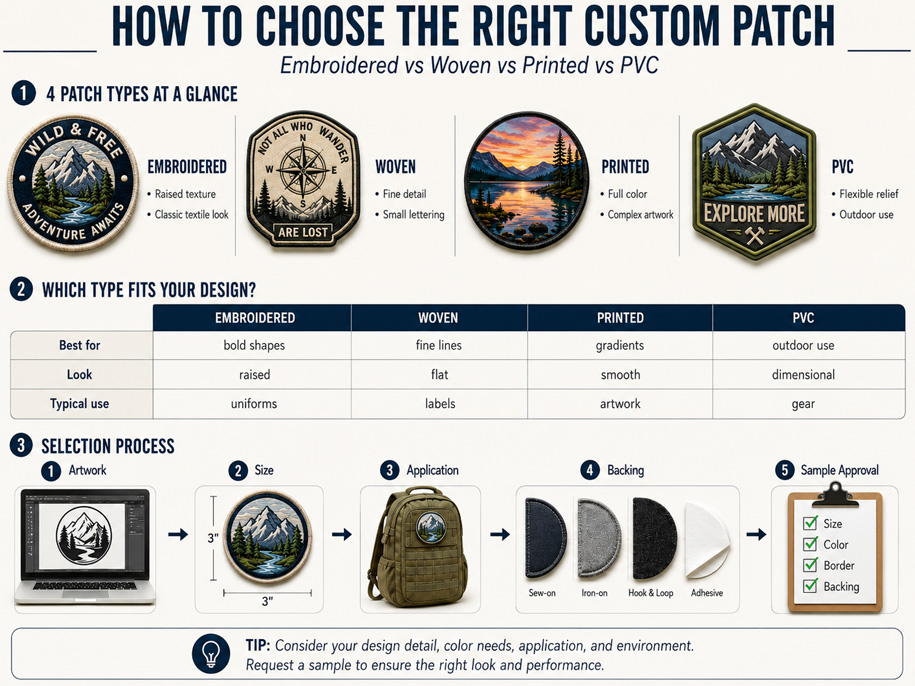
This shift has changed the role of custom merchandise. Products such as custom embroidered patches, PVC patches, woven labels, custom enamel pins, metal badges, custom keychains, and branded accessories are no longer simple promotional items. They have become symbols of identity, membership, and shared experiences that connect customers with brands and with each other.
For lifestyle businesses, fashion brands, outdoor companies, sports organizations, gaming communities, and creative brands, custom merchandise is now an effective way to build long-term engagement, strengthen customer relationships, and grow active brand communities.
Why Communities Matter More Than Customers
Traditional marketing focuses on acquiring customers.
Modern branding focuses on creating communities.
A customer may purchase once.
A community member returns repeatedly, recommends the brand to others, shares experiences on social media, and actively participates in brand activities.
Communities generate value through:
- Higher customer retention
- Increased repeat purchases
- Stronger emotional loyalty
- Organic word-of-mouth marketing
- User-generated content
- Greater lifetime customer value
Custom merchandise provides physical symbols that strengthen these relationships and reinforce a sense of belonging.

Merchandise Creates a Sense of Belonging
People naturally enjoy belonging to groups that reflect their identity.
This explains why clubs, sports teams, universities, outdoor organizations, motorcycle groups, fashion labels, gaming communities, and creative brands all rely on customized merchandise.
Products become visual identifiers.
Examples include:
- Custom embroidered patches worn on jackets
- PVC patches attached to backpacks
- Woven labels sewn into apparel
- Enamel pins collected after special events
- Metal badges representing achievements
- Custom keychains carried every day
Rather than simply displaying a logo, these products communicate membership in a community.

Turning Products into Brand Experiences
The most successful brands understand that products should create experiences.
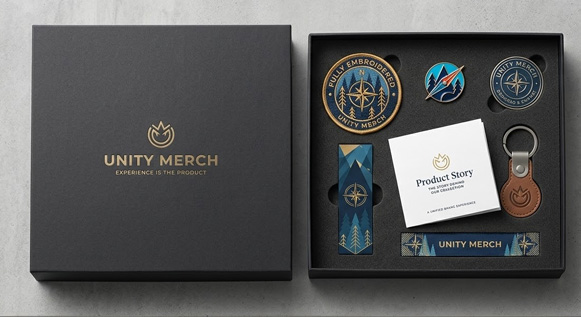
For example, launching a new apparel collection can include:
- Limited-edition embroidered patches
- Matching enamel pins
- Branded woven labels
- Exclusive keychains
- Premium packaging
Instead of selling one item, brands create an experience that customers remember and share.
This approach increases perceived value while encouraging repeat purchases.
Merchandise Supports Every Stage of the Customer Journey
Custom merchandise can strengthen customer relationships throughout the entire brand experience.
Discovery
Promotional products help introduce new customers to the brand through trade shows, social media campaigns, influencer collaborations, and retail events.
Engagement
Collectible merchandise encourages interaction through limited releases, seasonal collections, and exclusive product drops.
Loyalty
Members appreciate products that recognize their support, such as anniversary pins, embroidered patches, or branded accessories.
Advocacy
Customers who proudly wear branded merchandise become brand ambassadors, helping businesses increase visibility through authentic recommendations.

Building Community Through Collectible Merchandise
Collectibility creates excitement.
Limited-edition products encourage customers to participate in every new release.
Popular collectible products include:
Custom Enamel Pins
Ideal for:
- Product launches
- Artist collaborations
- Brand anniversaries
- Event souvenirs
- Membership rewards
Custom Embroidered Patches
Perfect for:
- Outdoor brands
- Lifestyle collections
- Fashion labels
- Clubs
- Team events
Customers often collect patch series over time, strengthening their long-term engagement.
Metal Badges
Metal badges can represent:
- Membership levels
- Special achievements
- Exclusive collaborations
- Brand milestones
They give customers a sense of progression within the community.

Merchandise Helps Brands Tell Ongoing Stories
Strong communities are built through storytelling.
Every merchandise collection can represent a chapter in the brand's journey.
Examples include:
- Seasonal product launches
- Collaboration collections
- Anniversary editions
- Charity campaigns
- Outdoor expeditions
- Creative artist partnerships
Instead of repeating similar products, businesses create merchandise that documents their evolving brand story.
Customers become part of that journey.
Why Apparel Accessories Matter More Than Ever
For fashion and lifestyle brands, small details often leave the strongest impression.
Professional apparel accessories help reinforce premium positioning while creating a consistent customer experience.
Popular branding products include:
- Custom woven labels
- Embroidered patches
- PVC patches
- Decorative metal badges
- Custom zipper pulls
- Metal keychains
These details transform ordinary garments into recognizable brand pieces.

One Community, Multiple Product Categories
Successful brands rarely rely on one merchandise category.
Instead, they build coordinated collections that include multiple products.
For example:
Apparel Branding
- Woven labels
- Embroidered patches
- PVC patches
Collectibles
- Enamel pins
- Metal badges
Everyday Lifestyle Products
- Custom keychains
- Luggage tags
- Metal bookmarks
Offering multiple categories increases customer participation while creating more purchasing opportunities.
Why One-Stop Manufacturing Supports Brand Consistency
Community building depends on consistency.
Different suppliers often produce products with varying colors, materials, and quality standards.
Working with a professional custom merchandise manufacturer allows businesses to maintain consistent branding across:
- Embroidered patches
- PVC patches
- Woven labels
- Enamel pins
- Metal badges
- Keychains
- Packaging
A one-stop promotional product supplier also simplifies communication, shortens production cycles, and ensures quality across every product line.

Future Trends: Communities Will Drive Merchandise Growth
As digital communities continue to expand, merchandise will play an increasingly important role in connecting online engagement with physical products.
Emerging trends include:
- Community-exclusive merchandise
- Limited member collections
- Personalized branded accessories
- Sustainable promotional products
- Creator collaborations
- Micro-community product launches
- Small-batch customization
- Premium collectible merchandise
Brands that focus on building communities instead of simply increasing sales will create stronger long-term competitive advantages.
How to Choose the Right Merchandise Partner
When selecting a manufacturing partner, brands should look for:
- Extensive customization capabilities
- Consistent quality control
- Apparel accessory expertise
- Flexible MOQ
- Fast sampling
- Pantone color accuracy
- Reliable production schedules
- Global shipping experience
- One-stop manufacturing solutions
An experienced supplier becomes a strategic partner in helping businesses transform ideas into meaningful products that connect communities.
Conclusion
Products may attract customers, but communities build lasting brands.
Custom merchandise transforms ordinary promotional products into symbols of identity, participation, and shared experiences.
From custom embroidered patches, PVC patches, woven labels, and custom enamel pins to metal badges, custom keychains, and branded accessories, every product helps strengthen customer relationships and encourage long-term engagement.
For lifestyle brands, fashion businesses, outdoor companies, and creative organizations, investing in professionally manufactured custom merchandise is no longer just about selling products—it is about creating communities that inspire loyalty, encourage participation, and support sustainable business growth.
By partnering with an experienced custom merchandise manufacturer and one-stop promotional product supplier, brands can develop cohesive merchandise collections that bring people together while reinforcing a memorable and authentic brand experience.

Frequently Asked Questions (FAQ)
1. How does custom merchandise help build a brand community?
Custom merchandise gives customers a tangible way to connect with a brand. Products such as custom embroidered patches, enamel pins, woven labels, and branded accessories create a sense of belonging, encourage participation, and help transform one-time buyers into long-term community members.
2. What types of custom merchandise are best for community building?
The most effective products are those that customers enjoy wearing, collecting, or using regularly. Popular choices include custom embroidered patches, PVC patches, woven labels, enamel pins, metal badges, custom keychains, and other branded apparel accessories that reinforce brand identity and encourage ongoing engagement.
3. Why are embroidered patches popular for brand communities?
Custom embroidered patches combine durability with a premium appearance. They can represent membership, achievements, special editions, or exclusive events, making them ideal for fashion brands, outdoor communities, clubs, sports teams, and lifestyle organizations.
4. How can limited-edition merchandise increase customer engagement?
Limited-edition merchandise creates exclusivity and encourages customers to participate in product launches, seasonal campaigns, and community events. Exclusive embroidered patches, enamel pins, or collectible accessories often increase repeat purchases and strengthen emotional connections with the brand.
5. Can small businesses benefit from custom merchandise?
Yes. Small and growing brands often use custom merchandise to establish a professional image, strengthen customer relationships, and increase brand recognition. Flexible MOQs and one-stop manufacturing services make customized products accessible even for startups and independent brands.
6. What industries commonly use custom merchandise to grow their communities?
Custom merchandise is widely used by fashion brands, outdoor companies, sports organizations, gaming communities, schools, universities, creative studios, motorcycle clubs, coffee brands, nonprofits, and corporate businesses to encourage customer engagement and strengthen community identity.
7. Why is consistency important when producing branded merchandise?
Consistent colors, materials, craftsmanship, and branding help customers instantly recognize your products. Working with an experienced custom merchandise manufacturer ensures every embroidered patch, woven label, enamel pin, and accessory reflects the same high-quality brand image.
8. What should I look for in a custom merchandise manufacturer?
Look for a manufacturer with strong customization capabilities, strict quality control, Pantone color matching, flexible MOQ options, fast sampling, international shipping experience, and the ability to produce multiple product categories through one-stop manufacturing.
9. Can one supplier produce multiple types of branded merchandise?
Yes. A professional one-stop promotional product supplier can manufacture embroidered patches, PVC patches, woven labels, enamel pins, metal badges, custom keychains, and other branded accessories, helping maintain consistent quality while simplifying the sourcing process.
10. How can custom merchandise increase long-term customer loyalty?
Custom merchandise creates meaningful experiences that customers remember. When products become part of a customer's lifestyle or represent membership in a community, they encourage repeat engagement, strengthen emotional connections, and support long-term brand loyalty.
How to Choose the Right Custom Woven Keychain Manufacturer
How Merchandise Strengthens Modern Brand Identity
Related Article