Softness Meets Elegance
author: Keely
2025-04-02
In the world of plush toys, the British brand Jellycat has consistently captured the hearts of global consumers with its ultra-soft designs. From the classic Bashful Bunny to the whimsical Fuddlewuddle collection, its signature short-pile fabric and adorable expressions have become iconic. However, as consumer demand for personalization and craftsmanship grows, Jellycat has quietly embarked on an "embroidery revolution"—infusing plush toys with new artistic vitality through the introduction of intricate embroidery techniques.
Embroidery Craftsmanship: A Fusion of Tradition and Modernity
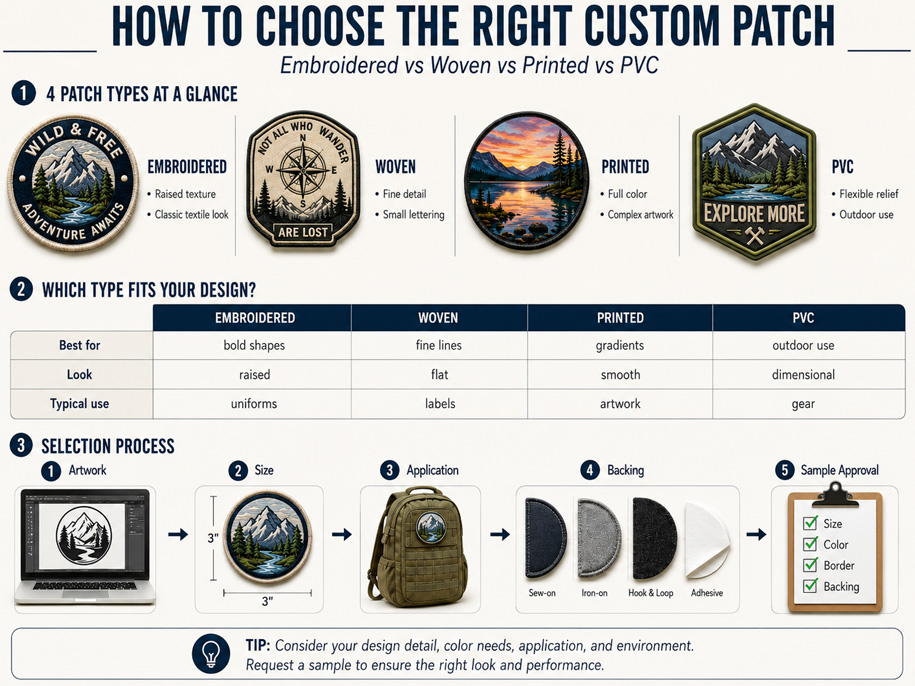
Jellycat first incorporated embroidery into its Fall/Winter 2023 collection, using needles and threads as brushes to create delicate patterns on the surface of its toys. For example, the new "Starlight Unicorn" series features a gradient of blue and purple threads embroidered to mimic a galaxy on the mane, while the limited-edition embroidered floral teddy bear showcases three-dimensional roses and vines on its palms. Unlike the flat prints of traditional plush toys, the raised textures and layered light and shadow effects of embroidery add an artistic touch while maintaining the softness and comfort Jellycat is known for.
To achieve this balance, Jellycat collaborated with artisans specializing in Zardozi and Sashiko techniques—two historic embroidery styles known for their precision and storytelling symbolism. The Zardozi-inspired metallic threads on celestial-themed toys catch light like constellations, while the minimalist Sashiko stitches on geometric designs evoke a meditative quality. This marriage of global traditions with contemporary plush design positions each toy as a wearable art piece, appealing to collectors and design enthusiasts alike.
Design Philosophy: Balancing Comfort and Ceremony
The brand’s designers revealed in an interview that the selection of embroidery patterns was carefully considered: botanical motifs align with themes of natural healing, geometric lines cater to minimalist aesthetics, and customizable designs like constellations and letters meet emotional expression needs. Embroidery is often placed on non-contact areas such as ears and paws to preserve the plush toy’s tactile appeal. This dual strategy of "visual elegance + tactile comfort" not only continues Jellycat’s signature soothing function but also enhances the product’s ceremonial value as a gift.
Notably, the embroidery process involves ethical considerations. Jellycat uses OEKO-TEX-certified threads to ensure safety for all ages, and the density of stitches is meticulously tested to prevent stiffness. For instance, the "Moonlit Fox" prototype underwent 12 iterations to perfect the balance between floral embroidery density and plush compressibility. Such attention to detail reflects the brand’s commitment to merging artistry with functionality.
Market Response: Breaking into New Consumer Segments
According to official brand data, sales of the embroidered series increased by 40% within three months of launch, with a significant rise in female consumers aged 25-35. On social media, the hashtag #JellycatEmbroidery has garnered over 8 million views, with users sharing creative uses of embroidered toys as home décor and wedding favors. Industry experts note that the introduction of embroidery has helped Jellycat break away from its "infant toy" image and successfully enter the luxury home décor market.
The brand’s collaboration with interior design studios like House & Hold further cemented this shift. Embroidered Jellycat pieces now appear styled alongside artisan ceramics and linen textiles in lifestyle magazines, redefining plush toys as tactile art objects. Limited editions, such as the "Botanical Bear" with embroidered herbarium motifs, have resold for triple their retail price on secondary markets, highlighting their investment-worthy appeal.
The Future of Embroidery in Toy Design
Jellycat’s innovation signals a broader trend in the toy industry. Competitors like Steiff and Build-A-Bear have begun experimenting with embroidered details, but Jellycat’s focus on micro-embroidery—using ultrafine 0.2mm threads to create photorealistic textures—sets a new benchmark. Their upcoming "Storybook Collection" will feature embroidered scenes from classic literature, with Goldilocks’ dress woven from 18 shades of golden thread.
From plush toys to emotional art pieces, Jellycat is redefining the boundaries of "softness" through the integration of embroidery craftsmanship. This innovation not only showcases the possibilities of traditional handcraft in modern design but also signals a shift in the toy industry from functional consumption to aesthetic appreciation. As fingertips trace those delicate stitches, consumers may be touching the warmth and sincerity of the toy industry’s evolution—one where every thread tells a story, and every stitch carries intention.
By elevating embroidery from decoration to narrative medium, Jellycat has transformed cuddly companions into heirlooms, proving that in the age of mass production, the human touch still holds irreplaceable value.
PVC Stereoscopic Plastic Keychain
Stitched in Time: Stories Woven by Custom Patches, Keychains
Related Article
Explore when custom printed iron on patches, sublimation patches, and full color custom patches are better for photos, gradients, fine details, and smooth color transitions.
When Printing Works Better Than Thread
Improve patch performance by learning how to digitize logo for embroidery, select suitable patch backing, and optimize stitch density embroidery for clean, durable results.
Inside a Custom Embroidered Patch: What Determines Quality?