Everything Buyers Need to Know About Custom Patches
A Complete Guide to Materials, Production Processes, and Choosing the Right Manufacturing Partner
Introduction
Custom patches have become an important part of modern apparel, accessories, promotional products, and lifestyle merchandise. From fashion brands and outdoor companies to sports teams, event organizers, and corporate programs, customized patches provide a practical way to add unique designs, brand elements, and functional decoration to different products.
Unlike traditional printing methods, patches create a three-dimensional appearance with better texture, durability, and visual impact. Whether applied to jackets, uniforms, backpacks, hats, denim products, or promotional items, well-made patches can significantly improve the overall product presentation.
However, selecting the right patch style, material, and supplier can be challenging for buyers. Different applications require different manufacturing techniques, backing options, and production standards.
Understanding the patch manufacturing process, material differences, and supplier capabilities helps businesses make better purchasing decisions and avoid quality issues.
Buyers need to know about custom patches, including patch types, production methods, customization options, and how to choose a reliable custom patch manufacturer.
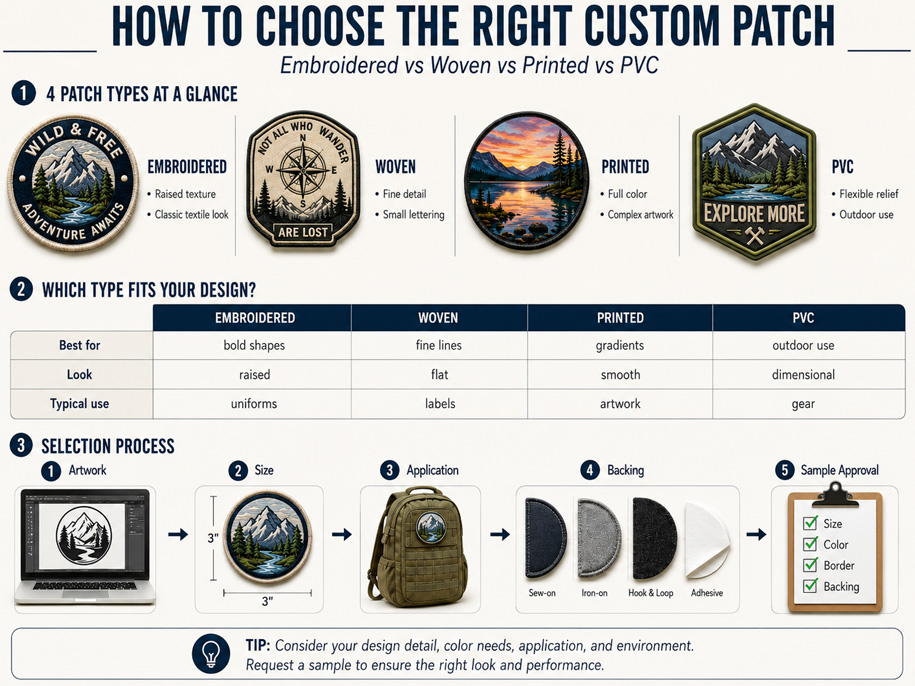
Understanding Different Types of Custom Patches
Not all patches are manufactured using the same techniques. The right choice depends on the design requirements, application environment, and desired product appearance.
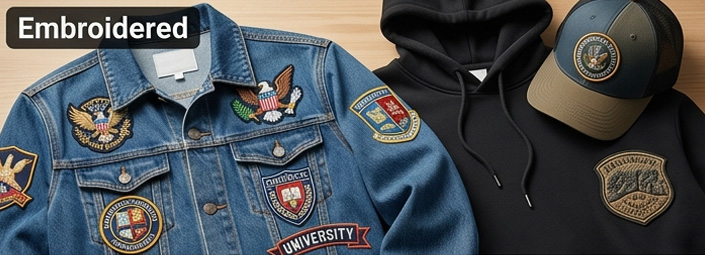
Custom Embroidered Patches
Embroidered patches remain one of the most popular choices for apparel decoration because of their classic appearance and premium texture.
Using high-quality embroidery threads, manufacturers create raised designs with visible stitching patterns that add depth and craftsmanship.
Common applications include:
- Jackets
- Hoodies
- Caps
- Denim products
- Uniforms
- Workwear
- Fashion collections
Advantages include:
- Premium handmade appearance
- Excellent durability
- Strong visual impact
- Multiple backing options
- Suitable for various fabrics
For fashion brands and clothing companies, custom embroidered patches are often used as signature design elements that enhance product identity.
Custom PVC Patches for Outdoor and Performance Products
Custom PVC patches provide a modern alternative to traditional embroidery.
Made from flexible rubber-like materials, PVC patches offer excellent durability and weather resistance.
They are widely used for:
- Outdoor apparel
- Backpacks
- Travel accessories
- Sports equipment
- Lifestyle products
Key advantages include:
- Waterproof performance
- Three-dimensional effects
- Bright color reproduction
- Easy cleaning
- Long-lasting durability
For brands creating outdoor or performance-focused products, PVC patches provide a practical solution where traditional embroidery may not be suitable.

Woven Patches for Detailed Designs
Woven patches use thinner threads compared with embroidered patches, allowing manufacturers to reproduce smaller details and fine text more accurately.
They are ideal for:
- Minimalist logos
- Fashion labels
- Small lettering
- Detailed artwork
Benefits include:
- Smooth surface
- High-density details
- Lightweight construction
- Professional appearance
Many premium apparel brands choose woven patches when design accuracy and clean presentation are important.

Chenille Patches for Vintage and Premium Styles
Chenille patches have become increasingly popular in fashion collections, especially in varsity-inspired and streetwear designs.
Their soft raised texture creates a unique visual effect.
Common applications include:
- Varsity jackets
- Streetwear collections
- School apparel
- Sports merchandise
Chenille patches help create a nostalgic and premium appearance that stands out from traditional decoration methods.
Understanding the Patch Manufacturing Process
A professional patch manufacturing process involves multiple stages to ensure accurate designs and consistent quality.
1. Artwork Review and Design Preparation
The process begins with artwork evaluation.
Manufacturers analyze:
- Design complexity
- Color requirements
- Small details
- Text readability
- Production feasibility
Professional suppliers often recommend adjustments to improve the final result.
2. Digitizing and Production Planning
Before production, designs are converted into manufacturing files.
This step determines:
- Stitch patterns
- Thread density
- Color placement
- Production settings
Accurate digitizing directly affects the final appearance of the patch.

3. Material Selection
Different projects require different materials.
Manufacturers select:
- Embroidery threads
- PVC materials
- Woven fabrics
- Chenille yarns
- Backing options
Material selection influences durability, appearance, and application performance.
4. Sample Production
Before bulk manufacturing, samples are created for approval.
Buyers can check:
- Colors
- Details
- Size
- Border quality
- Backing performance
Sample approval helps prevent production issues.
5. Mass Production and Quality Inspection
After approval, production begins.
Quality control usually includes:
- Stitching inspection
- Color checking
- Edge finishing
- Backing inspection
- Packaging verification
A professional manufacturing system ensures every batch maintains consistent quality.

Choosing the Right Backing Option for Custom Patches
The backing method affects how patches are applied and used.
Iron-On Backing
Suitable for:
- Apparel brands
- Retail products
- DIY applications
Provides easy application with heat pressing.
Sew-On Backing
A traditional option offering maximum durability.
Commonly used for:
- Workwear
- Outdoor clothing
- Long-term applications
Hook and Loop Backing
Also known as Velcro backing.
Popular for:
- Outdoor products
- Tactical-inspired accessories
- Removable applications
Adhesive Backing
Designed for temporary applications such as events and promotions.

Factors That Affect Custom Patch Pricing
Many buyers focus only on quantity when comparing prices, but several factors influence the final cost.
Important factors include:
Patch Size
Larger patches require more materials and production time.
Design Complexity
Detailed artwork requires more production processes.
Stitch Density
Higher stitch density creates better quality but increases manufacturing requirements.
Material Choice
Embroidery, PVC, woven, and chenille patches have different production costs.
Backing Type
Special backing options may affect pricing.
Order Quantity
Wholesale orders usually provide better unit pricing.
Understanding these factors helps buyers create realistic budgets.
How to Choose a Reliable Custom Patch Manufacturer
Choosing the right supplier is one of the most important decisions for successful patch projects.
A professional custom patch manufacturer should provide:
Manufacturing Experience
Experienced factories understand different materials and production challenges.
Multiple Customization Capabilities
A strong supplier should support:
- Embroidered patches
- PVC patches
- Woven patches
- Chenille patches
- Custom labels
- Apparel accessories

Artwork Support
Professional suppliers help optimize designs before production.
Quality Control
Reliable manufacturers should have inspection systems throughout production.
Flexible Production Solutions
Different customers require different quantities and timelines.
The right partner should support both small brands and large-scale buyers.
Why Choose a Wholesale Custom Patches Supplier
Working with a professional wholesale custom patches supplier provides several advantages for businesses.
Benefits include:
- Competitive bulk pricing
- Consistent product quality
- Flexible customization
- Reliable production capacity
- Multiple product categories
- Easier supply management
Wholesale suppliers are especially valuable for:
- Fashion brands
- Clothing manufacturers
- Promotional companies
- Event organizers
- Retail businesses
A capable supplier can support long-term product development rather than only individual orders.
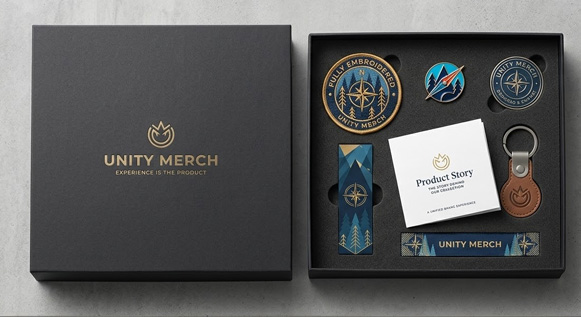
Beyond Patches: Building a Complete Apparel Accessories Collection
Many brands now combine patches with other customized products to create a complete product experience.
Related products include:
- Woven labels
- Custom keychains
- Enamel pins
- Metal badges
- PVC accessories
- Promotional merchandise
Working with a supplier that offers multiple categories helps brands maintain consistent design language across their collections.
Common Mistakes Buyers Should Avoid
Choosing Only Based on Price
The lowest price may result in:
- Poor stitching quality
- Incorrect colors
- Weak backing
- Short product lifespan
Ignoring Application Requirements
A patch designed for outdoor products requires different materials compared with fashion apparel.
Providing Low-Quality Artwork
Poor artwork files can affect:
- Detail reproduction
- Color accuracy
- Final appearance
Clear communication with manufacturers prevents many production problems.
Conclusion
Custom patches are more than decorative accessories. They are practical branding solutions used across fashion, apparel, promotional products, and lifestyle industries.
Understanding different patch types, the patch manufacturing process, and supplier capabilities allows buyers to make smarter sourcing decisions.
By working with an experienced custom patch manufacturer and a reliable wholesale custom patches supplier, businesses can develop high-quality products that meet their design requirements, production goals, and market expectations.
Whether creating apparel collections, promotional campaigns, or retail merchandise, the right manufacturing partner helps transform creative ideas into durable and professional custom patches.

Frequently Asked Questions About Custom Patches
1. What types of custom patches can brands choose from?
Brands can choose from embroidered patches, PVC patches, woven patches, and chenille patches. The best option depends on the design style, application, and required durability.
2. How are custom patches manufactured?
The patch manufacturing process usually includes artwork review, digitizing, material selection, sampling, production, and quality inspection to ensure consistent results.
3. How do I choose a reliable custom patch manufacturer?
A professional custom patch manufacturer should provide quality materials, customization options, accurate color matching, strict quality control, and reliable production support.
4. What backing options are available for custom patches?
Common backing options include iron-on, sew-on, hook and loop, and adhesive backing. The right choice depends on the product application and usage requirements.
5. What factors affect custom patch pricing?
Pricing depends on patch size, material, design complexity, colors, backing type, and order quantity. Wholesale orders usually offer better unit costs.
6. Can custom patches be used for clothing brands?
Yes. Custom patches are widely used by fashion brands, streetwear companies, outdoor businesses, and promotional campaigns to enhance apparel design and brand recognition.
Woven Labels vs Embroidered Patches: Which Is Better for Your Brand?
How to Choose the Right Custom Woven Keychain Manufacturer
Related Article