2026 Custom Merchandise Trends: How Lifestyle Brands Are Building Stronger Communities

Introduction
In today's competitive marketplace, lifestyle brands face a growing challenge: attracting customers is no longer enough. The real goal is building a loyal community that actively engages with the brand, shares its values, and advocates for it over time.
As we move into 2026, custom merchandise has emerged as one of the most effective tools for creating these meaningful connections. What was once viewed as a simple promotional giveaway has evolved into a strategic branding asset that helps companies strengthen customer relationships, increase brand visibility, and foster long-term loyalty.
From custom woven keychains and embroidered patches to collectible accessories and premium gift sets, branded merchandise is becoming an essential part of the customer experience. Brands across fashion, streetwear, outdoor lifestyle, gaming, sports, coffee culture, and creative communities are investing more heavily in merchandise programs than ever before.
This report explores the key custom merchandise trends shaping the market in 2026 and explains how lifestyle brands are using merchandise to build stronger communities around their products and values.
Trend 1: Merchandise Is Becoming an Extension of Brand Identity
Modern consumers want more than products—they want to connect with stories, values, and communities.
As a result, successful brands are no longer treating merchandise as an afterthought. Instead, merchandise is being integrated directly into overall brand strategy.
Today's consumers expect branded products to reflect the same visual identity and quality standards as the brand's core offerings.
For example, a lifestyle brand may create merchandise collections that feature:
Custom woven labels
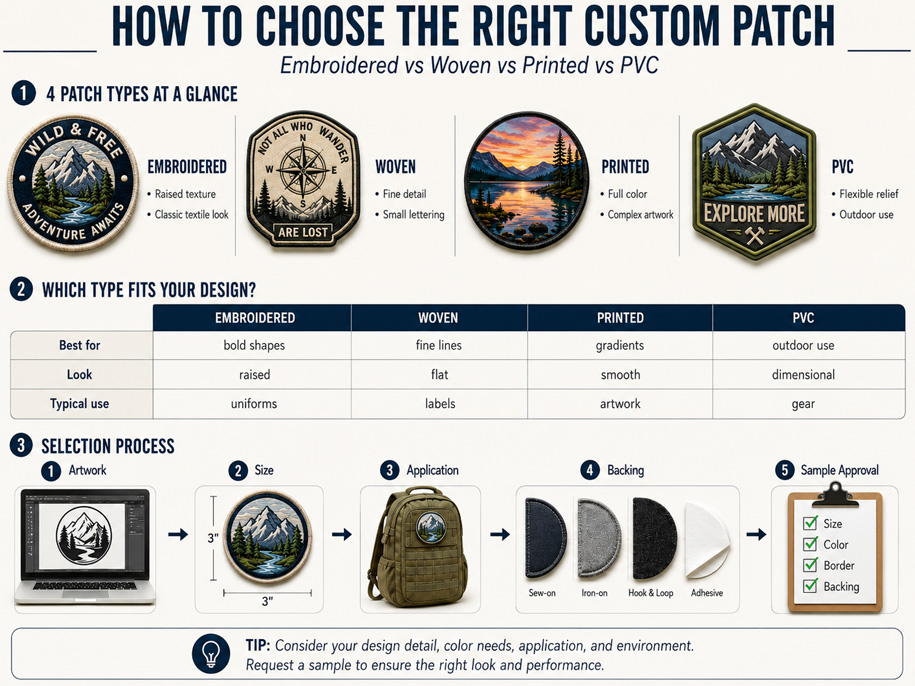
Embroidered patches
Fabric accessories
Limited-edition collectibles
Premium packaging
When these items are carefully designed, they reinforce the brand image and help customers feel more connected to the company.
Rather than simply displaying a logo, modern merchandise communicates a brand's personality, culture, and community values.

Trend 2: Community-Driven Merchandise Programs Are Expanding
One of the most significant shifts in 2026 is the rise of community-focused merchandise initiatives.
Brands are increasingly designing products specifically for their most engaged audiences, including:
Loyalty program members
Online communities
Event participants
Brand ambassadors
Social media followers
Special collaboration partners
This approach transforms merchandise from a marketing expense into a relationship-building tool.
Limited-edition releases, event-exclusive products, and membership rewards help create a sense of belonging and exclusivity.
Customers who receive or purchase these items often share them on social media, helping brands generate organic exposure while strengthening community engagement.
For many lifestyle brands, merchandise now plays a central role in customer retention strategies.

Trend 3: Premium Quality Matters More Than Ever
Consumers have become increasingly selective about the products they use and keep.
Low-cost promotional items that offer little practical value are quickly forgotten, while high-quality merchandise can remain part of a customer's daily life for years.
Because of this shift, brands are focusing on premium materials and craftsmanship.
Popular premium merchandise features include:
High-density woven fabrics
Detailed embroidery
Durable metal accessories
Soft-touch plush materials
Custom packaging solutions
Long-lasting construction
Quality merchandise delivers multiple benefits:
Improved customer satisfaction
Higher perceived brand value
Better social sharing potential
Longer product lifespan
Increased brand exposure
A well-made woven keychain attached to a customer's backpack may generate thousands of brand impressions throughout its lifetime.

Trend 4: Gift Sets Continue to Drive Higher Engagement
Another major trend is the growing popularity of curated merchandise gift sets.
Instead of ordering individual promotional products, brands are creating complete collections that offer a cohesive and premium experience.
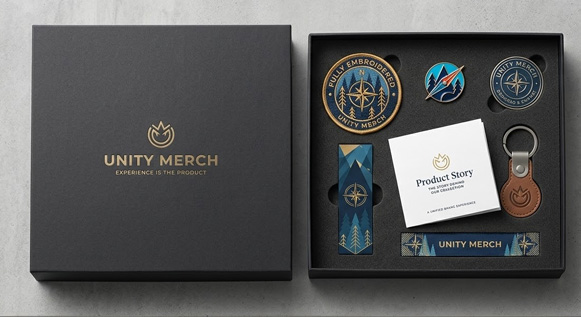
Typical merchandise gift sets may include:
Custom woven keychain
Embroidered patch
Enamel pin
Sticker set
Custom greeting card
Premium presentation box
These collections provide greater perceived value and create a memorable unboxing experience.
Gift sets are particularly popular for:
New product launches
Influencer collaborations
Brand anniversaries
Community rewards
Trade shows
Corporate gifting
Seasonal promotions
The combination of multiple products allows brands to tell a more complete story while increasing the emotional impact of the merchandise.

Trend 5: Limited Edition Collections Create Demand
Scarcity remains one of the most powerful marketing tools available to brands.
Many lifestyle companies are now releasing limited-edition merchandise collections designed to generate excitement and urgency.
Examples include:
Event-exclusive patches
Seasonal woven keychains
Collaboration merchandise
Anniversary gift sets
Collector series products
Limited releases encourage customers to act quickly while strengthening the perceived value of the products.
For community-focused brands, these exclusive items often become symbols of participation and belonging.

Trend 6: Sustainability Continues to Influence Purchasing Decisions
Environmental responsibility remains an important factor for both brands and consumers.
Many companies are actively seeking merchandise solutions that align with their sustainability objectives.
Growing areas of interest include:
Recycled fabrics
Eco-friendly packaging
Reduced plastic usage
Reusable merchandise
Long-lasting product design
Consumers increasingly appreciate products that combine functionality, durability, and environmental awareness.
Brands that incorporate sustainable practices into their merchandise programs can strengthen trust while supporting broader corporate responsibility goals.

Trend 7: Merchandise Is Becoming More Experience-Oriented
Modern consumers value experiences as much as physical products.
As a result, brands are designing merchandise programs that support broader customer experiences.
Examples include:
Event merchandise collections
Community challenge rewards
Membership welcome kits
Brand subscription boxes
Festival and convention merchandise
These products serve as reminders of positive experiences and help customers maintain a lasting connection with the brand.
Merchandise is no longer simply a product—it has become a physical representation of a customer's relationship with a community.

Trend 8: One-Stop Merchandise Solutions Are Increasingly Preferred
As merchandise programs grow more complex, brands are looking for suppliers capable of managing the entire production process.
A one-stop merchandise solution offers several advantages:
Simplified communication
Faster project execution
Consistent product quality
Better packaging coordination
Lower management costs
Improved supply chain efficiency
Many brands now prefer working with suppliers who can provide support across multiple product categories, including woven products, embroidered items, accessories, packaging, and gift set assembly.
This integrated approach helps ensure consistency throughout the entire merchandise collection.
Key Opportunities for Lifestyle Brands in 2026
Based on current market developments, several opportunities stand out for lifestyle brands:
Build Community Through Exclusive Merchandise
Create products that reward engagement and encourage participation.
Invest in Quality Over Quantity
Premium products generate stronger customer impressions and longer-lasting brand exposure.
Develop Cohesive Gift Sets
Integrated collections create more memorable customer experiences than standalone products.
Focus on Storytelling
Every merchandise item should communicate the brand's identity and values.
Choose Scalable Supply Partners
Reliable manufacturing and fulfillment support become increasingly important as merchandise programs expand.
Conclusion
The role of custom merchandise has changed dramatically over the past decade. In 2026, successful lifestyle brands view merchandise not as promotional giveaways, but as strategic tools for community building, customer engagement, and brand storytelling.
Whether through woven keychains, embroidered patches, collectible accessories, or curated gift sets, merchandise helps transform customers into active participants in a brand's culture.
As consumer expectations continue to evolve, brands that prioritize quality, creativity, and community-driven merchandise strategies will be best positioned to build lasting relationships and achieve sustainable growth.
For lifestyle brands looking to strengthen customer loyalty and expand their influence, custom merchandise remains one of the most powerful opportunities available in today's marketplace.

The Rise of Woven Merchandise in Global Lifestyle Branding
How to Create Luxury Gift Sets with Custom Medals, Coins, and Packaging
Related Article