2026 Consumer Preferences in Custom Fashion Accessories

Introduction
The global fashion and lifestyle market is undergoing a significant transformation. In 2026, consumers are no longer satisfied with standardized, mass-produced accessories that lack individuality or emotional value. Instead, they are actively seeking personalized, meaningful, and design-driven products that reflect their identity, interests, and lifestyle choices.
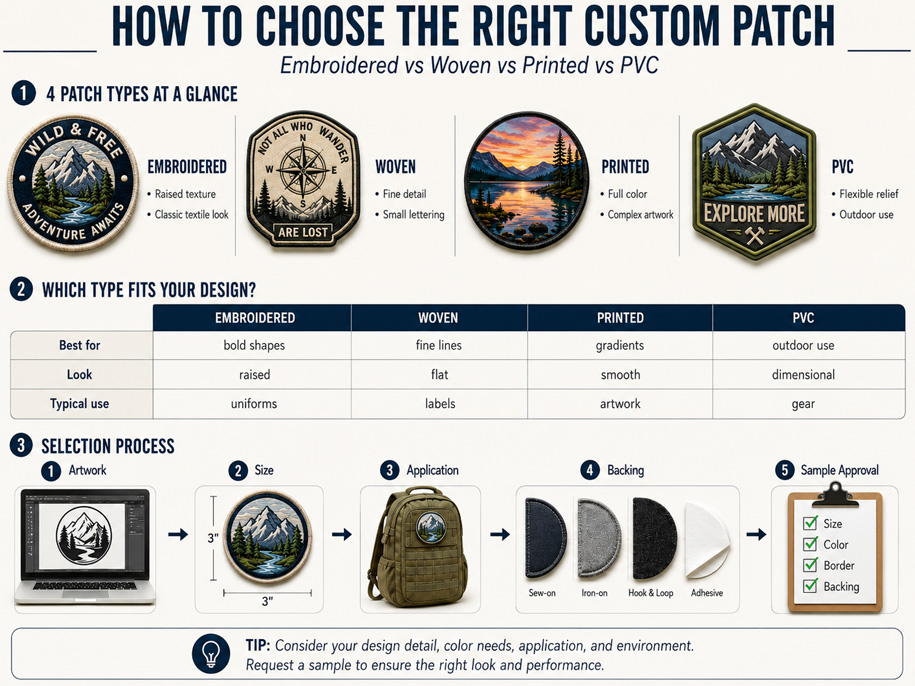
Custom fashion accessories have therefore become a rapidly expanding segment across global markets. This category includes woven keychains, embroidered patches, fabric badges, bag charms, lanyards, wristbands, collectible accessories, and various lifestyle-oriented decorative items.
Unlike traditional fashion items, these accessories are no longer viewed as simple add-ons. They are now seen as extensions of personal identity, cultural expression, and community belonging.
In addition to consumer-driven changes, the supply side of the industry is also evolving rapidly. Manufacturers are shifting toward flexible production systems, small-batch customization, and faster sampling cycles, making custom accessories more accessible to both global brands and emerging independent designers.
This report explores the key consumer preference shifts shaping the custom fashion accessories market in 2026 and explains how these changes are influencing global product design, sourcing strategies, and branding ecosystems.
Shift from Standardization to Identity-Driven Consumption
One of the most important behavioral changes in 2026 is the shift from standardized consumption to identity-driven purchasing decisions.
Modern consumers are increasingly motivated by emotional and psychological factors rather than purely functional needs. They want products that reflect:
Personal identity
Cultural background
Lifestyle values
Social belonging
Creative expression
This shift is closely related to the rise of emotional consumption, where buyers evaluate whether a product aligns with their personal story rather than just its appearance or price.
Custom fashion accessories are particularly well-suited to this trend because they allow individuals to translate abstract identity elements into physical objects.
For example, a woven keychain may represent a travel memory or brand preference, while an embroidered patch can symbolize community membership or personal interests.
As a result, symbolic value is becoming more important than functional value in many purchasing decisions.

Influence of Micro-Communities on Design Trends
In 2026, fashion trends are increasingly shaped by micro-communities rather than large global fashion houses.
Online communities, niche subcultures, and interest-based groups are playing a major role in defining aesthetic direction and product demand. These include:
Streetwear communities
Gaming and esports fandoms
Outdoor adventure groups
Music and festival culture
Creative design communities
Social media-driven aesthetic groups
Each of these communities develops its own visual language, color system, and symbolic identity.
Importantly, these communities are no longer passive audiences. They actively participate in feedback loops, product testing, and even co-design processes with brands.
This has led to a growing model of community co-created merchandise, where consumers influence design direction before production.
Custom fashion accessories serve as a physical extension of these micro-cultural identities.

Growing Demand for Hybrid Functional Accessories
Another major shift in consumer preference is the increasing demand for products that combine aesthetic appeal with functional value.
Consumers are no longer interested in purely decorative accessories unless they serve a practical purpose in daily life.
Popular hybrid product types include:
Keychains that function as bag charms or organizers
Fabric patches that enhance clothing durability and personalization
Lanyards for daily essentials such as keys or ID cards
Multi-purpose woven accessories for travel and lifestyle use
Collectible items integrated into packaging systems
From a branding perspective, functional accessories generate significantly higher long-term exposure because they are used repeatedly in real-life environments.
The longer an accessory is used, the greater its visibility and emotional attachment becomes.
This makes hybrid accessories a powerful tool for both fashion expression and brand marketing.

The Role of Social Media in Purchase Decision-Making
Social media continues to be one of the most powerful forces shaping consumer behavior in the fashion accessories market.
Platforms such as Instagram, TikTok, and Pinterest influence what consumers perceive as trendy, valuable, and desirable.
Key content formats driving demand include:
Unboxing experiences
Styling tutorials
Influencer collaborations
Aesthetic lifestyle photography
Community product showcases
A new factor influencing this trend is short-form video commerce, where products are discovered and purchased within seconds based on visual appeal alone.
As a result, brands are increasingly designing accessories with “visual-first” principles, focusing on texture, contrast, and recognizability for digital content performance.
Products with strong visual identity are more likely to be shared, reposted, and recommended, creating a self-reinforcing demand cycle.

Personalization as a Standard Expectation
In 2026, personalization is no longer a premium feature—it has become a baseline market expectation.
Consumers now expect full control over:
Colors and material combinations
Shapes and structural variations
Graphic and logo placement
Text, symbols, and messaging
Packaging design and presentation
Limited edition or series-based customization
This demand is accelerating the adoption of flexible manufacturing systems, digital sampling, and modular design workflows.
From a supply chain perspective, manufacturers capable of supporting low MOQ production and fast customization cycles are becoming significantly more competitive.
Personalized accessories also strengthen emotional attachment, increasing perceived product value and long-term customer satisfaction.

Sustainability and Conscious Purchasing Behavior
Environmental awareness continues to play an important role in shaping consumer decisions across global markets.
Modern buyers increasingly evaluate products based on sustainability factors, including:
Material durability
Reusability
Packaging waste reduction
Environmental footprint
Product lifecycle length
Fabric-based and woven accessories align well with these expectations due to their long-lasting nature and reduced disposable waste.
In many markets, especially Europe and North America, sustainability is also becoming a formal procurement requirement for corporate buyers, influencing sourcing decisions beyond consumer preference alone.

Expansion of Collectible and Limited-Edition Culture
Another important trend is the growing popularity of collectible fashion accessories.
Consumers are increasingly attracted to limited-edition releases that offer exclusivity, identity signaling, and emotional value.
Common formats include:
Seasonal accessory collections
Collaboration-based drops
Event-exclusive merchandise
Numbered limited editions
Community membership items
This trend is strongly influenced by streetwear culture, gaming ecosystems, and fan-based communities, where rarity and identity play a central role in consumer behavior.
Collectible accessories also encourage repeat purchases, as consumers seek to complete series or follow ongoing releases.
Integration into Lifestyle and Brand Ecosystems
Custom fashion accessories are increasingly being integrated into broader lifestyle and branding ecosystems.
Rather than existing as standalone products, they are now part of larger structured experiences such as:
Brand community programs
Membership reward systems
Product launch campaigns
Event participation kits
Influencer collaboration packages
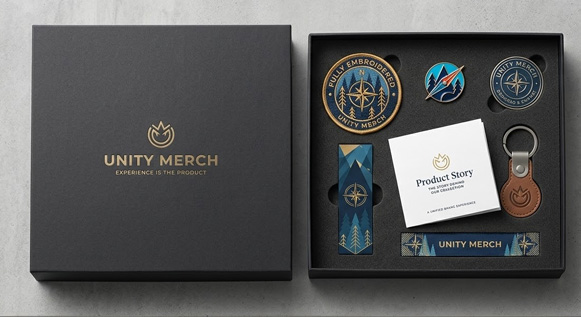
Subscription-based merchandise boxes
This integration transforms accessories into long-term engagement tools within brand ecosystems.
As a result, they now play a key role in bridging physical products with digital brand experiences.
Conclusion
Consumer preferences in custom fashion accessories are evolving rapidly in 2026. The market is shifting toward personalization, emotional value, sustainability, functionality, and community-driven design.
At the same time, supply chain flexibility and digital manufacturing capabilities are enabling brands of all sizes to participate in this growing market.
Rather than serving as simple decorative items, custom accessories have become powerful tools for identity expression, cultural communication, and brand engagement.
Companies that prioritize customization, quality, and cultural relevance will be best positioned to succeed in the increasingly competitive global fashion accessories industry.

Custom Merchandise Market Report: Opportunities for Lifestyle Brands
Why Premium Fabric Merchandise Is Replacing Traditional Promotional Gifts
Related Article