Brand Merchandise Strategy Report for Lifestyle and Fashion Businesses

How Custom Merchandise Creates New Revenue Opportunities and Strengthens Brand Identity
Introduction
The modern fashion and lifestyle industry is no longer limited to clothing collections. Successful brands today build complete ecosystems around their identity, combining apparel, accessories, collectibles, and branded products to create deeper connections with customers.
As competition continues to increase, lifestyle and fashion businesses are looking for new ways to expand their product offerings, increase customer engagement, and create additional revenue opportunities. A well-planned brand merchandise strategy allows companies to transform their visual identity into valuable products that customers want to purchase, use, and share.
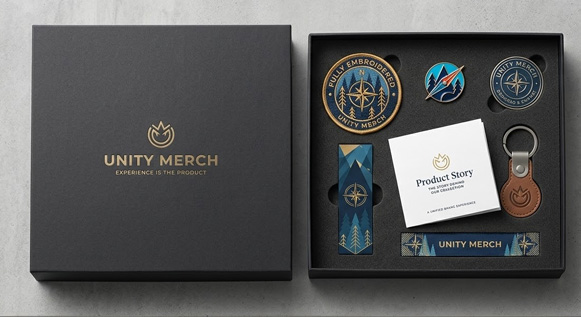
From custom embroidered patches and woven labels to enamel pins, metal badges, custom keychains, and other branded accessories, merchandise has become an essential extension of modern fashion branding.
This report explores how lifestyle and fashion businesses can develop effective merchandise strategies, select the right products, and work with a professional custom merchandise manufacturer to build scalable and recognizable product lines.
The Evolution of Brand Merchandise in Fashion
Traditional fashion brands mainly focused on garments such as T-shirts, jackets, and accessories. However, modern consumers increasingly value brand experiences rather than individual products.
Today's successful brands use merchandise to create:
- Stronger brand recognition
- Additional product categories
- Limited-edition collections
- Customer communities
- Higher brand loyalty
- New revenue channels
Brand merchandise is no longer simply promotional material. It has become a strategic part of product development and brand expansion.
For lifestyle and fashion businesses, carefully designed merchandise provides an opportunity to communicate brand values through every customer touchpoint.
Why Lifestyle Brands Need a Merchandise Strategy
A successful merchandise strategy helps brands move beyond a single product category.
Instead of relying only on seasonal apparel sales, businesses can create a broader product ecosystem.
For example:
A fashion brand may combine:
- Apparel collections
- Custom woven labels
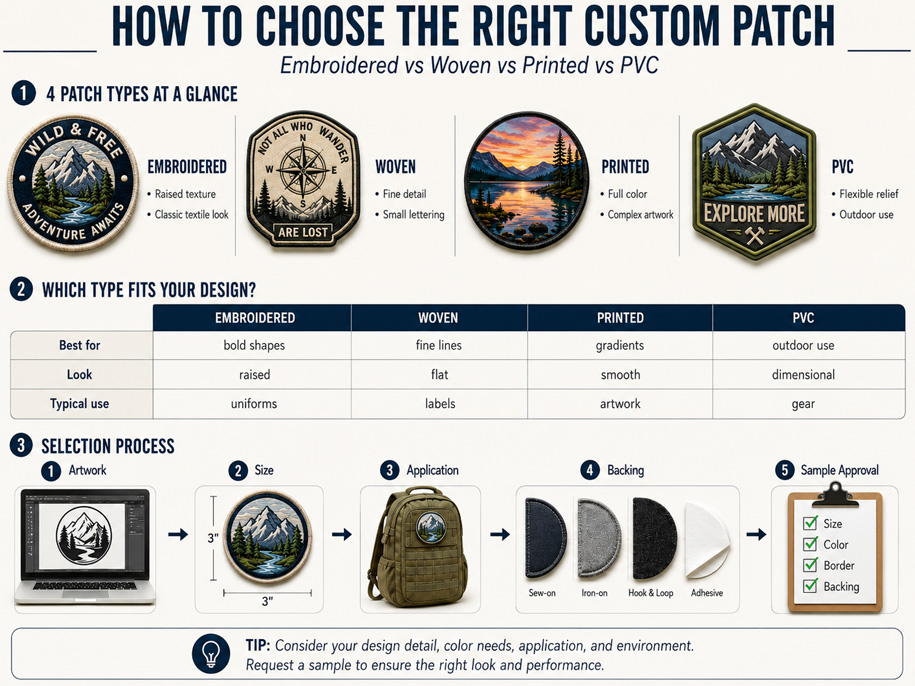
- Embroidered patches
- Decorative metal accessories
- Enamel pins
- Lifestyle accessories
This approach allows customers to interact with the brand in different ways.
A customer may first discover a brand through a collectible enamel pin, purchase a hoodie later, and eventually become a long-term brand supporter.

Building a Consistent Brand Identity Through Merchandise
Brand consistency is one of the most important factors in successful merchandise development.
Every detail contributes to how customers perceive a brand, including:
- Logo presentation
- Material selection
- Color combinations
- Packaging design
- Product finishing
- Accessory styles
Small details such as a premium woven label or custom metal badge can significantly improve the perceived value of a product.
Professional apparel accessories help fashion businesses create a unified visual language across different product categories.
Key Product Categories for Brand Merchandise Strategy
Custom Embroidered Patches
Custom embroidered patches remain one of the most effective branding solutions for fashion and lifestyle companies.
Applications include:
- Jackets
- Hoodies
- Denim products
- Caps
- Bags
- Outdoor apparel
- Limited edition collections
Advantages:
- Premium handmade appearance
- Strong visual impact
- Durable construction
- Multiple backing options
- Easy integration into existing products
For many fashion brands, embroidered patches become signature design elements that customers immediately recognize.
Woven Labels and Brand Identification
Woven labels may be small, but they play an important role in professional brand presentation.
Common applications include:
- Neck labels
- Side labels
- Hem labels
- Brand tags
- Limited collection identifiers
High-quality custom woven labels help communicate authenticity and improve customer perception.
For emerging fashion brands, professional labels create the impression of a mature and established company.

Custom Enamel Pins and Collectible Merchandise
Collectible products have become an important part of modern brand strategy.
Custom enamel pins are popular because they are:
- Affordable for customers
- Easy to collect
- Suitable for limited releases
- Ideal for collaborations
- Highly shareable on social media
Many lifestyle brands use enamel pins as seasonal products, membership rewards, or exclusive launch items.
Metal Accessories and Premium Branding
Metal products add a premium feeling to merchandise collections.
Popular options include:
- Metal badges
- Custom keychains
- Metal bookmarks
- Decorative hardware
- Logo plates
Metal accessories are often used by premium brands because they create a stronger perception of quality and craftsmanship.
Creating Product Collections Instead of Individual Items
Modern merchandise strategies focus on collections rather than single products.
A successful collection may include:
Core Products
- Embroidered patches
- Woven labels
- Brand accessories
Premium Products
- Metal badges
- Enamel pins
- Limited edition items
Promotional Products
- Keychains
- Luggage tags
- Event merchandise
By combining different products, brands can create multiple price levels and purchasing opportunities.

Merchandise Strategy for Different Business Models
Independent Fashion Brands
Small fashion labels can use custom merchandise to create unique identities without competing only through pricing.
Limited production runs, exclusive accessories, and collectible products help build stronger customer communities.
Lifestyle Brands
Lifestyle companies can extend their brand experience through accessories that match their values and customer interests.
Examples include:
- Outdoor lifestyle brands
- Creative communities
- Hobby-based brands
- Cultural organizations
Corporate Lifestyle Campaigns
Companies increasingly use branded merchandise for:
- Brand events
- Product launches
- Customer appreciation
- Employee programs
- Partnership campaigns
Premium merchandise creates a stronger impression than traditional advertising materials.
The Importance of Custom Manufacturing Partners
Developing successful merchandise requires more than attractive designs.
Brands need manufacturing partners that understand:
- Material selection
- Production techniques
- Quality standards
- Packaging requirements
- International logistics
An experienced custom merchandise manufacturer can help businesses transform concepts into market-ready products.
Key capabilities include:
- Artwork review
- Prototype development
- Multiple production methods
- Quality inspection
- Flexible order quantities
- Global shipping support
Advantages of One-Stop Merchandise Solutions
Working with multiple suppliers for different products can create challenges:
- Inconsistent quality
- Longer production timelines
- Difficult communication
- Higher management costs
A one-stop promotional product supplier provides a more efficient solution.
Benefits include:
- Unified production management
- Consistent brand appearance
- Faster product development
- Easier quality control
- Simplified supply chain
This allows fashion and lifestyle businesses to focus on creativity and marketing while relying on professional manufacturing support.
Sustainability and Responsible Merchandise Development
Sustainability has become an important factor in purchasing decisions.
Modern brands increasingly consider:
- Eco-friendly materials
- Responsible production methods
- Recyclable packaging
- Sustainable fabrics
- Reduced waste manufacturing
A thoughtful merchandise strategy should balance brand creativity with environmental responsibility.

Future Trends in Brand Merchandise Strategy
Several trends are shaping the future of fashion merchandise:
Personalized Products
Customers increasingly prefer products that feel unique and exclusive.
Limited Edition Collections
Small-batch releases create excitement and encourage repeat purchases.
Multi-Category Branding
Brands are expanding from clothing into accessories and collectibles.
Premium Customization
High-quality materials and craftsmanship are becoming key competitive advantages.
Digital-to-Physical Branding
Online communities are increasingly converting into physical merchandise opportunities.
How to Choose the Right Merchandise Partner
Before selecting a supplier, businesses should evaluate:
- Customization capabilities
- Product range
- Manufacturing experience
- Quality management
- Sampling process
- Production flexibility
- Communication efficiency
- International shipping ability
A reliable partner should support brands from initial concept development to final delivery.
Conclusion
A successful brand merchandise strategy allows lifestyle and fashion businesses to transform their identity into valuable products that customers connect with.
From custom embroidered patches, woven labels, and enamel pins to metal accessories, custom keychains, and branded lifestyle products, every merchandise item represents an opportunity to strengthen brand recognition and create new business opportunities.
By working with an experienced custom merchandise manufacturer and a reliable one-stop promotional product supplier, brands can develop consistent, high-quality merchandise collections that support long-term growth.
In today's competitive fashion market, merchandise is no longer an additional product category—it is a powerful strategy for building stronger brands, expanding customer relationships, and creating sustainable business value.

Frequently Asked Questions
1. What is a brand merchandise strategy?
A brand merchandise strategy is a long-term plan for developing branded products that strengthen brand identity, increase customer engagement, and create additional revenue opportunities. It typically combines apparel, accessories, promotional products, and collectible merchandise into a consistent brand experience.
2. Why is custom merchandise important for lifestyle and fashion brands?
Custom merchandise helps brands stand out in competitive markets by creating memorable products that customers can wear, collect, and share. Products such as custom embroidered patches, woven labels, enamel pins, metal badges, and custom keychains enhance brand recognition while increasing perceived product value.
3. What products should be included in a successful brand merchandise strategy?
A balanced merchandise collection often includes custom embroidered patches, PVC patches, woven labels, enamel pins, metal badges, custom keychains, luggage tags, metal bookmarks, and other apparel accessories. Selecting complementary products helps create a consistent brand image across different sales channels.
4. How can custom merchandise create new revenue opportunities?
Custom merchandise allows brands to introduce limited-edition collections, branded accessories, seasonal products, and promotional items that encourage repeat purchases. These products not only generate direct sales but also increase customer loyalty and average order value.
5. How do I choose the right custom merchandise manufacturer?
Look for a manufacturer with extensive customization capabilities, consistent quality control, sampling services, Pantone color matching, flexible MOQ, international shipping experience, and one-stop production solutions. A reliable manufacturing partner should support your brand from design to final delivery.
6. Why work with a one-stop promotional product supplier?
A one-stop promotional product supplier simplifies product development by producing patches, woven labels, enamel pins, metal accessories, and packaging under one quality management system. This reduces communication costs, shortens lead times, and ensures consistent branding across every product.
7. What are the most popular custom merchandise products for fashion brands?
Fashion and lifestyle brands commonly choose custom embroidered patches, woven labels, PVC patches, enamel pins, metal badges, custom keychains, zipper pulls, hang tags, and decorative metal accessories because they enhance product quality and strengthen brand identity.
8. Can custom merchandise be produced in small quantities?
Yes. Many professional custom merchandise manufacturers offer flexible minimum order quantities (MOQs) and prototype sampling services, making it easier for startups, independent fashion brands, and growing lifestyle businesses to test new product ideas before large-scale production.
9. How long does custom merchandise production usually take?
Production time depends on the product type, customization complexity, and order quantity. Sample production typically takes 5–10 business days, while mass production generally ranges from 15–30 business days after sample approval.
10. How can custom merchandise improve brand recognition?
High-quality branded products create repeated exposure every time customers wear, use, or display them. Consistent use of embroidered patches, woven labels, enamel pins, metal accessories, and other branded merchandise helps reinforce visual identity and makes a brand more recognizable over time.
11. Which industries benefit most from a brand merchandise strategy?
Brand merchandise is widely used by fashion brands, lifestyle companies, sports clubs, outdoor brands, universities, corporate businesses, retail brands, creative agencies, event organizers, and promotional marketing companies looking to strengthen customer engagement and brand visibility.
12. What should I prepare before requesting a quotation for custom merchandise?
To receive an accurate quotation, prepare your logo or artwork, product dimensions, material preferences, colors, quantity, attachment options, packaging requirements, and expected delivery schedule. Providing complete project details helps manufacturers recommend the most suitable production solution.
How Merchandise Strengthens Modern Brand Identity
Everything You Need to Know About Custom Merchandise for Streetwear Brands
Related Article