2026 Top Trends of Custom Metal Medals and Event Gifts
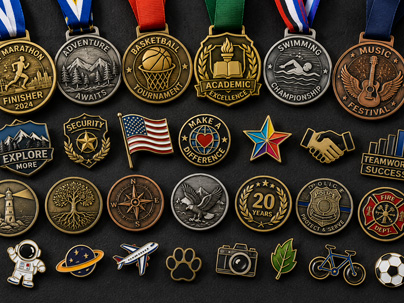
In 2026, the custom metal medals and event gifts industry— a core segment of global metal crafts— is undergoing a significant upgrade, driven by technological innovation, global sustainability goals, diversified consumer demands and the growing pursuit of emotional value. As key products in the gifts and crafts industry, custom metal medals and event gifts are breaking traditional boundaries, integrating art, technology and practicality. This year, four core trends are reshaping the industry: eco-friendly craftsmanship, hyper-personalization & IP co-branding, intelligent manufacturing & process innovation, and scenario diversification. These trends are redefining event awards, corporate gifting, commemorative collectibles and cultural derivatives, making custom metal products a new growth engine for the metal crafts industry.
Sustainability Takes Center Stage with Eco-Friendly Materials & Processes
Sustainability has become a core competitive advantage in 2026, driven by stricter global environmental regulations and rising eco-conscious consumption. In the custom metal medals and event gifts sector, recycled metals have become the preferred material, including recycled zinc alloy, brass and iron. These materials reduce carbon emissions by 40%-60% compared with virgin metals, while maintaining the same hardness, corrosion resistance and aesthetic quality.
Surface treatment processes have also been upgraded to eliminate pollution. Non-toxic eco-enamel, water-based inks and lead-free electroplating (complying with international standards) have replaced traditional toxic processes, reducing heavy metal emissions and volatile organic compounds (VOCs). A leading Chinese metal craft manufacturer, for example, has launched a "zero-carbon medal" series using 100% recycled brass and water-based enamel, with zero wastewater discharge— a product widely adopted by international sports events and large corporations.
Manufacturers are also focusing on product life cycles. Modular design allows medals and gifts to be disassembled and recycled after use, with non-metal parts like ribbons made of degradable materials. Many brands also add eco-labeling, such as engraving recycled material proportions on medals, to meet corporate procurement requirements and build consumer trust.

Hyper-Personalization & IP Customization Redefine Product Value
In 2026, demand for unique, emotionally resonant custom metal products is growing, pushing one-size-fits-all items out of the market. Hyper-personalization is now a core demand: event organizers, enterprises and individuals want designs that reflect unique stories, personal marks and themes. For sports events, marathon medals now feature runners’ names, times and 3D reliefs of race routes; for corporate anniversaries, custom coins and badges integrate company history, values and employee photos, becoming carriers of corporate culture.
IP co-branding is a major growth driver, helping manufacturers boost product value and competitiveness. This year, more international sports leagues, museums, animation IPs and luxury brands are partnering with metal craft makers. For instance, the IOC collaborated with top manufacturers to launch limited-edition 2026 Milano-Cortina Winter Olympics commemorative medals, combining Olympic IP with traditional Italian metalworking— 10,000 pieces sold out within 24 hours. Similarly, the Louvre and British Museum have released custom metal badges based on their cultural relics, popular among collectors.
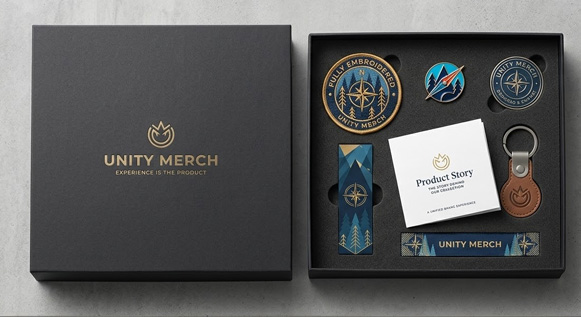
To meet small-batch customization needs, the industry has optimized production systems. With digital design and flexible lines, manufacturers can complete samples within 24 hours, with a minimum order of 50 pieces and lead time of 3–7 days. Personalization also extends to packaging, with custom gift boxes and greeting cards enhancing the gifting experience.
Intelligent Manufacturing & Innovative Processes Elevate Craftsmanship
Technological innovation drives industry upgrading in 2026, with 3D digital modeling, CNC precision carving, laser etching and automated surface finishing widely adopted. These technologies break traditional stamping and casting limitations, enabling more complex, delicate designs.
3D modeling and scanning have become standard tools, allowing designers to create asymmetrical, 3D and hollowed-out shapes that were previously impossible. CNC carving achieves micron-level precision, ideal for high-end commemorative medals and luxury gifts. Surface treatment has also advanced: PVD vacuum plating, an eco-friendly alternative to traditional electroplating, offers durable, scratch-resistant finishes in various colors, with colorfastness of 5–8 years.
Dual-texture and gradient plating are popular design techniques, adding visual depth. Mixed-media craftsmanship— combining metal with wood, acrylic, glass or gemstones— also gains traction, retaining metal’s durability while adding warmth and beauty, expanding application scenarios.

Diversified Scenarios & Market Growth Fuel Industry Expansion
In 2026, application scenarios for custom metal medals and event gifts continue to expand, driven by global sports events, corporate gifting, cultural tourism and youth consumption.
In sports, the boom in marathons, esports and school events has boosted demand for high-quality medals. The global sports medal market will grow 8.2% in 2026, with the Asia-Pacific region accounting for 52% of market share. The 2026 Shanghai International Marathon, for example, launched a medal with a 3D Bund skyline relief, which went viral on social media.
In corporate settings, custom metal gifts are widely used for employee recognition, client gifting and anniversaries. Global corporate spending on metal craft gifts will rise 12% year-over-year, as enterprises choose high-quality, personalized items to enhance brand image.
Cultural tourism and Gen Z consumption are also key growth points. Museum-themed and traditional folk art metal gifts are popular among tourists, while Kawaii, cyberpunk and minimalist styles cater to young consumers, with custom badges featuring cartoon IPs trending on social media.
The Asia-Pacific region, led by China, is the world’s largest production and consumption market, accounting for 45% of global production and 42% of consumption. China’s mature supply chain and skilled craftsmanship attract international orders, with 2026 exports expected to reach $1.2 billion, a 15% year-over-year increase.
Conclusion: Embrace Trends to Seize Future Opportunities
In 2026, the custom metal medals and event gifts industry stands at a transformation milestone. Sustainability, hyper-personalization, intelligent manufacturing and scenario diversification are long-term strategies for enterprise competitiveness. Manufacturers must embrace these trends to innovate materials, upgrade technology, deepen IP cooperation and meet multi-scenario demands.
For brands, event organizers and consumers, 2026 brings a new era of custom metal products— no longer just commodities, but a blend of eco-friendliness, artistry and emotional value. With advancing technology and evolving consumer needs, the industry will continue to thrive, contributing to the growth of the global metal crafts and gifts sector.

Mother's Day Gift Ideas: Personalized Fridge Magnets and Metal Souvenirs
New Collection of Customizable Dog Tags Launched for Promotional & Identification Use
Related Article