Why Iron-On Embroidered Patches Are Dominating the Custom Apparel Industry
author: Cindy
2025-09-04

The Strategic Advantage of Custom Embroidered Patches in Modern Apparel Branding
The custom apparel industry is experiencing a remarkable transformation, driven by growing demands for personalized branding, sustainable solutions, and convenient customization options. Central to this evolution is the custom embroidered patches sector, particularly iron-on embroidered patches, which have emerged as a powerful tool for apparel branding and fashion customization. These innovative products seamlessly merge traditional embroidery craftsmanship with contemporary manufacturing technologies, offering exceptional design versatility, product durability, and environmental benefits. This analysis examines how the custom patches industry is responding to market dynamics through eco-friendly production methods, flexible minimum order quantities, and rapid production capabilities, making professional-grade customization accessible to businesses across all scales and sectors.

1. The Craftsmanship Advantage: Precision, Durability, and Versatility
Iron-on embroidered patches represent the perfect marriage of artistry and functionality. Their appeal lies in the meticulous craftsmanship that goes into their production, which combines time-honored embroidery techniques with innovative application methods. Unlike traditional sew-on patches, which require specialized skills and equipment for attachment, iron-on patches feature a heat-activated adhesive backing that simplifies the process significantly.
Ease of Application: The application process is straightforward and accessible to everyone. Using a household iron or an industrial heat press, these patches can be permanently affixed to garments in a matter of minutes. Typically, the process involves heating the patch at 400°F (204°C) for 60 seconds, ensuring a bond that withstands repeated washing and everyday wear. This user-friendly approach has made patches a favorite among DIY enthusiasts, small businesses, and large corporations alike.
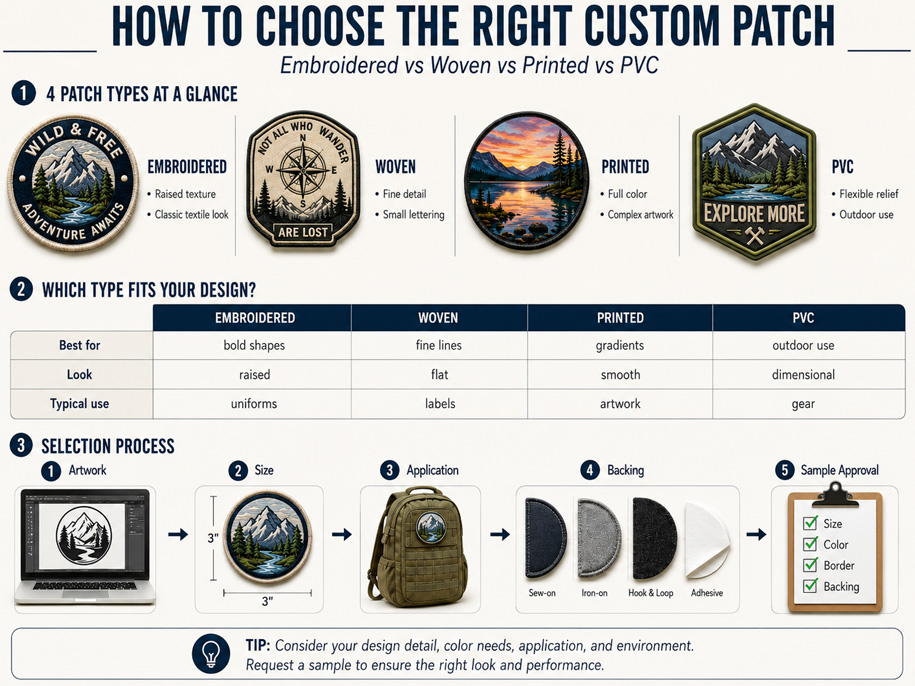
Durability: Constructed from high-density polyester or nylon threads, these patches are designed to endure harsh conditions. Techniques such as merrowed edges or laser-cut borders enhance their resilience, preventing fraying and ensuring longevity. This makes them ideal for high-use items like uniforms, workwear, hats, and bags, where durability is paramount.
Design Flexibility: The customization options are virtually limitless. From intricate corporate logos to vibrant 3D effects and sequin embellishments, patches can be tailored to meet any design specification. Advanced technologies like computerized embroidery and laser-cutting allow for precise detailing, even on complex designs. This flexibility has made patches a go-to solution for brands looking to create unique, eye-catching apparel.

2. Sustainability: The Eco-Friendly Appeal
As the fashion industry faces increasing scrutiny over its environmental impact, eco-friendly patches have emerged as a critical differentiator. Consumers and brands are increasingly prioritizing sustainability, driving demand for products that align with their values.
Sustainable Materials: Many manufacturers now use recycled polyester, organic cotton backings, and biodegradable adhesives in their patches. For instance, some patches are made from felt or twill derived from recycled bottles, significantly reducing plastic waste and promoting a circular economy.
Low-Waste Production: Digital embroidery machines minimize thread waste, while low-MOQ policies help prevent overproduction. This approach aligns with the growing trend of "fast sustainability," where small-batch production reduces inventory waste and environmental footprint.
Longevity and Repair Culture: Patches play a key role in extending the lifespan of garments. By covering flaws or updating designs, they promote a "repair, don’t replace" mindset, which resonates strongly with environmentally conscious consumers, particularly Gen Z and millennials.
Market Data: The global custom apparel market, valued at $186.13 billion in 2025, is experiencing 15% growth in eco-friendly segments, with patches playing a pivotal role in this expansion.

3. Market Demand: Branding, Personalization, and Industry Applications
Iron-on patches cater to a wide range of industry needs, from corporate branding to individual expression. Their versatility and cost-effectiveness have made them a popular choice across various sectors.
Brand Promotion: Companies increasingly use patches for promotional merchandise, uniforms, and event giveaways. Their low cost (as low as $1–$5 per patch) and high perceived value make them an ideal tool for marketing campaigns.
Consumer Preferences: Personalized fashion is booming, with 35% of consumers willing to pay a premium for custom apparel. Patches allow for easy customization of denim jackets, caps, and accessories, reflecting trends like "DIY fashion" and "nostalgia wear".
Key Sectors:
Corporate & Uniforms: Banks, restaurants, and logistics firms use patches for brand visibility and employee identification.
Sports & Clubs: Sororities and sports teams leverage patches for identity building and camaraderie.
Fashion Retailers: Brands like a Chinese tea brand integrate embroidered patches into clothing lines, blending cultural motifs Miao embroidery with modern designs.

4. Supply Chain Innovation: Low MOQs and Rapid Delivery
The supply chain for iron-on patches has evolved significantly, with manufacturers offering greater flexibility and faster turnaround times to meet diverse customer needs.
Low Minimum Order Quantities (MOQ): Many suppliers now offer MOQs as low as 10 pieces per design, making custom patches accessible to startups and small businesses without the need for large inventories.
Fast Turnaround: Advances in production technology, such as 72-hour flexible quick-response systems, have compressed sampling to 3 days and full production to 7 days. This agility is particularly valuable in fast fashion, where rapid product cycles are essential.

5. The Future: Trends and Technological Integration
The future of iron-on patches is bright, with technology and sustainability driving continued innovation.
Smart Patches: Integration with NFC chips or LED elements is opening up new possibilities for interactive experiences, such as connecting to digital content or enhancing visibility in low-light conditions.
AI-Driven Design: Tools like virtual try-ons allow customers to preview patches on garments via AR apps, enhancing the customization experience and reducing return rates.
Circular Economy Initiatives: Brands are increasingly exploring biodegradable patches and rental/repair programs to align with circular fashion goals, further solidifying the role of patches in sustainable fashion.
Conclusion: Embracing the Patch Revolution
Iron-on embroidered patches are more than just a trend; they are a testament to the custom apparel industry's evolution towards greater accessibility, sustainability, and innovation. For businesses, these patches offer a low-risk, high-reward customization option through low MOQs and rapid production times. For consumers, they provide a creative outlet for self-expression while supporting environmentally responsible choices. As technology and sustainability continue to converge, patches will undoubtedly remain at the forefront of apparel innovation.

75% vs Full Embroidered Patches: Which One Fits Your Needs? A Practical Comparison
The Ultimate Guide to Custom PVC Patches: Materials, Process, and Applications
Related Article

Explore when custom printed iron on patches, sublimation patches, and full color custom patches are better for photos, gradients, fine details, and smooth color transitions.
When Printing Works Better Than Thread

Improve patch performance by learning how to digitize logo for embroidery, select suitable patch backing, and optimize stitch density embroidery for clean, durable results.
Inside a Custom Embroidered Patch: What Determines Quality?