Home ●Case Studies ●News ●How to Make Keychains? A Guide to Crafting PVC, Embroidery, and Acrylic Custom Keychains ●
How to Make Keychains? A Guide to Crafting PVC, Embroidery, and Acrylic Custom Keychains
author: orange
2025-06-14
A Comprehensive Guide to Crafting Custom Keychains
Creating custom keychains is a blend of creativity and precision, involving careful choices in material, design, manufacturing, and finishing. Whether you’re making them for brand promotion, gifts, or personal use, following these steps ensures high-quality, eye-catching results. Here’s a detailed breakdown to help you craft the perfect custom keychains:
Step 1: Select the Right Material for Your Custom Keychains
The foundation of any great custom keychain is its material—each option offers unique benefits, so choose based on your needs:
-
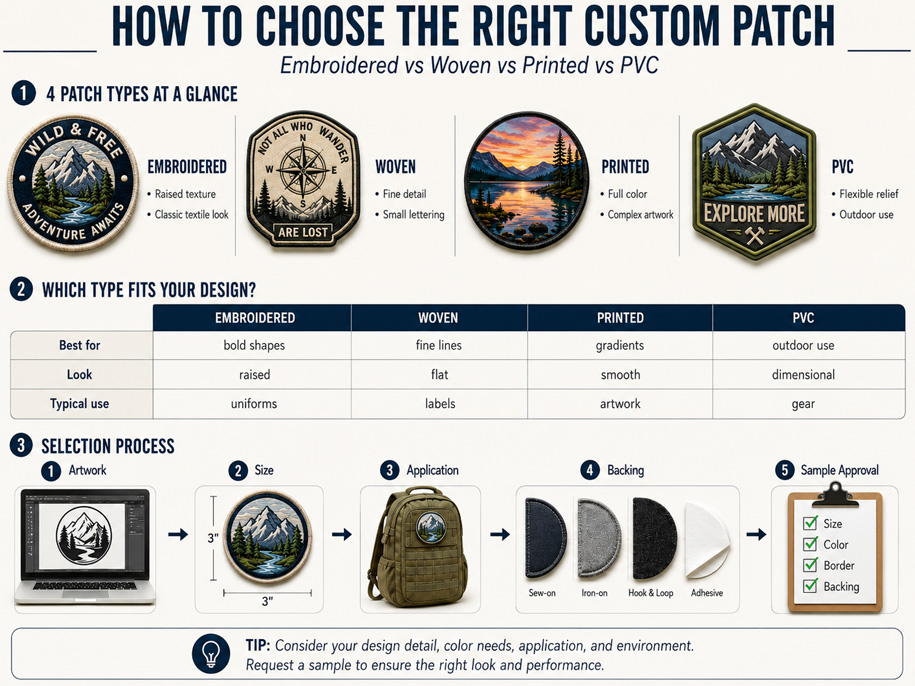
PVC Custom Keychains: A versatile favorite, PVC keychains are flexible, durable, and resistant to water, making them ideal for daily use. They shine in customization: you can mold them into nearly any shape (from simple circles to intricate character outlines) and print full-color designs with vibrant, long-lasting ink. This makes PVC custom keychains perfect for brand promotion, as logos or messages stand out vividly. They’re also budget-friendly, especially for bulk orders.
-
Embroidery Custom Keychains: For a high-end, textured look, embroidery keychains are unmatched. Crafted by stitching designs onto fabric (like cotton or felt) with colored threads, they exude elegance and craftsmanship. The stitched patterns add depth, making them suitable for businesses aiming for a refined image or anyone who prefers a tactile, artisanal feel. Keep in mind that embroidery works best with simpler designs—intricate details may get lost in the stitching.
-
Acrylic Custom Keychains: Known for their crystal-clear transparency (or opaque color options), acrylic keychains offer a sleek, modern aesthetic. Laser cutting allows for precise shaping, creating clean edges and complex forms (such as geometric patterns or mini replicas of objects). You can print designs directly on the surface or engrave them for a subtle, sophisticated effect. Acrylic is lightweight yet sturdy, resisting cracks and scratches better than glass, making it a durable choice for both personal and promotional use.
Step 2: Design Your Custom Keychain
Once you’ve chosen a material, design is key to making your custom keychain stand out. Use digital tools like Adobe Illustrator (for vector precision) or Canva (for user-friendly templates) to draft your vision:
- For PVC custom keychains, bold, bright designs work best—think vivid colors and large, clear logos. The material handles rich hues well, so don’t shy away from gradients or detailed illustrations.
- For embroidery custom keychains, simplify your design. Stitching relies on thread thickness, so avoid tiny text or overly complex patterns. Opt for bold outlines and high-contrast colors to ensure the design pops.
- For acrylic custom keychains, leverage their clarity: try transparent backgrounds with printed or engraved details, or use opaque acrylic as a canvas for intricate artwork. Add text (like names or slogans) for a personal touch.
Always include a unique element—whether it’s your brand logo, a meaningful quote, or a personal symbol—to make your custom keychain one-of-a-kind.
Step 3: Choose the Manufacturing Method for Your Custom Keychains
Each material requires a specific production process to bring your design to life:
-
PVC Custom Keychains: Manufacturing starts with creating a mold based on your design. Liquid PVC is injected into the mold, cooled, and then trimmed to shape. Once the base is ready, full-color designs are printed onto the surface using UV-cured ink, which bonds tightly to PVC for fade resistance.
-
Embroidery Custom Keychains: The fabric is first stabilized, then an embroidery machine stitches your design using programmed patterns. After stitching, the excess fabric is cut away, and the finished piece is attached to a keyring. This method ensures each stitch is precise, preserving the design’s integrity.
-
Acrylic Custom Keychains: Laser cutting is used to shape the acrylic sheet into your desired form—this step is fast and accurate, even for complex designs. Next, printing (with UV ink) or engraving (via laser) adds your design. Engraving creates a frosted effect on clear acrylic, adding subtle depth.
Step 4: Add Finishing Touches to Your Custom Keychains
Small details elevate your custom keychain from functional to fantastic:
- Hardware: Attach a keyring, split ring, or lobster clasp to make your keychain easy to use. For PVC or acrylic, opt for metal hardware (like nickel-plated rings) for durability; for embroidery, match the hardware to the thread color for cohesion.
- Protective Coatings: For PVC custom keychains, a clear protective layer prevents ink from scratching. Embroidery keychains benefit from a fabric backing to hide loose threads and add structure. Acrylic keychains can get a glossy clear coat to enhance shine and protect printed designs.
Step 5: Quality Control for Your Custom Keychains
Before finalizing your order, inspect each custom keychain to ensure perfection:
- For PVC keychains, check for mold defects (like uneven edges) or printing errors (faded colors, misaligned designs).
- For embroidery keychains, examine stitching for loose threads, skipped stitches, or frayed fabric.
- For acrylic keychains, look for scratches, cracks, or smudges on printed/engraved areas.
Work with your manufacturer to fix any issues—this step ensures your custom keychains meet your standards.
Final Thoughts
Crafting custom keychains—whether PVC, embroidery, or acrylic—involves thoughtful material selection, creative design, precise manufacturing, and careful finishing. By following these steps, you’ll create high-quality custom keychains that serve as memorable gifts, effective promotional tools, or cherished personal items. Ready to get started? Let your creativity shine and make custom keychains that leave a lasting impression!
Embroidery Patch Customization Pitfalls Guide: 5 Material Selection Tips for Beginners
The Art of Custom Embroidery Patches
Related Article

Explore when custom printed iron on patches, sublimation patches, and full color custom patches are better for photos, gradients, fine details, and smooth color transitions.
When Printing Works Better Than Thread

Improve patch performance by learning how to digitize logo for embroidery, select suitable patch backing, and optimize stitch density embroidery for clean, durable results.
Inside a Custom Embroidered Patch: What Determines Quality?