Embroidery Patch Customization Pitfalls Guide: 5 Material Selection Tips for Beginners
author: orange
2025-06-15
1. Fabric: The Foundation of Your Custom Embroidery Patch
The fabric you choose for your custom embroidery patch serves as the canvas upon which your design will be brought to life. There are several types of fabrics commonly used in custom embroidery patch making, each with its own set of characteristics.
Cotton Fabric: Cotton is one of the most popular choices for custom embroidery patches. It is soft, breathable, and budget - friendly. Cotton fabric can effectively showcase a wide range of embroidery designs, from simple text - based logos to intricate, multi - colored patterns. However, it's important to note that cotton has a tendency to shrink and wrinkle. To mitigate this, opt for pre - shrunk cotton fabric when ordering your custom embroidery patches.
Linen Fabric: Linen offers a distinct, rustic charm with its natural texture. It is strong and durable, making it suitable for long - lasting custom embroidery patches. Linen's stiffness, while adding to its unique aesthetic, may require more skill during the embroidery process. If your custom embroidery patch design leans towards a vintage or artisanal look, linen could be an excellent option.
Silk Fabric: For those seeking a luxurious touch in their custom embroidery patches, silk is unrivaled. The smooth surface of silk allows embroidery patterns to appear extremely delicate and opulent, with colors that are vivid and rich. Nevertheless, silk comes at a higher cost and demands careful handling and maintenance to prevent snagging.
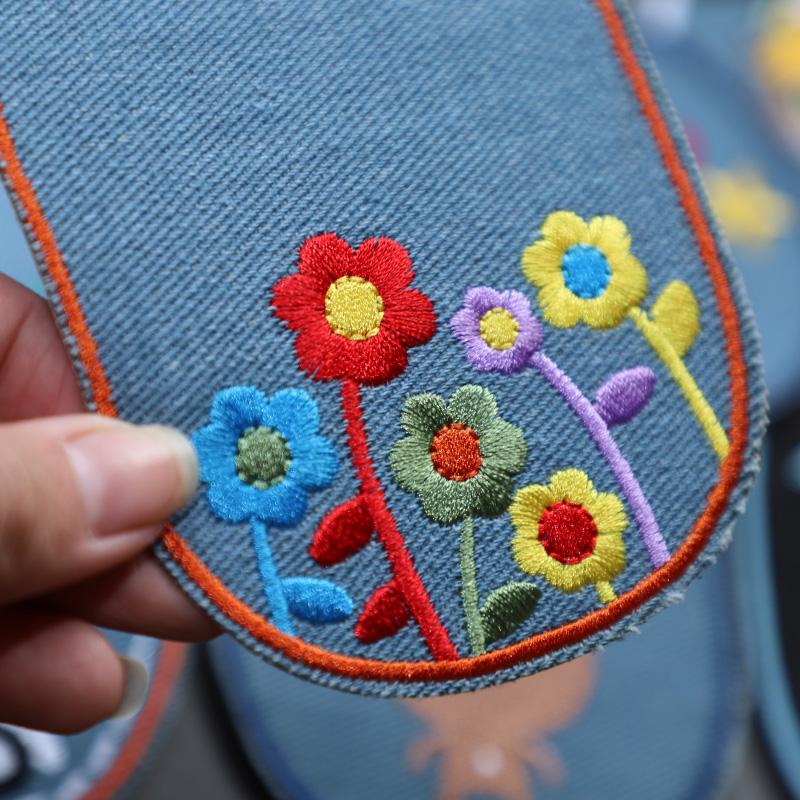
Twill Fabric: Twill fabric is another great option for custom embroidery patches, especially when you need a fabric with enhanced durability and a subtle, textured appearance. It features a distinctive diagonal ribbed pattern, which gives custom embroidery patches made from it a more structured and refined look. Twill is more resistant to abrasion compared to regular cotton, making it ideal for patches that will be subjected to frequent rubbing or handling, such as those on backpacks or work uniforms. The tight weave of twill also allows for precise embroidery, ensuring that even the most detailed designs on your custom embroidery patch come out sharp and clear. Its versatility makes it suitable for both casual and more formal custom embroidery patch applications.
2. Thread: Defining the Color and Texture of Your Custom Embroidery Patch
The thread used in custom embroidery patches plays a pivotal role in determining the final appearance of the patch. There are three main types of threads commonly used: cotton thread, silk thread, and artificial silk thread.
Cotton Thread: Cotton thread is widely used in custom embroidery patch making due to its affordability and extensive color range. It has a soft feel and offers a natural, subdued color saturation, making it ideal for everyday custom embroidery patches. Whether you're embroidering a logo for a casual brand or a simple design for personal use, cotton thread can deliver a pleasing result.
Silk Thread: Silk thread is known for its remarkable sheen. When used in custom embroidery patches, it creates designs that are eye - catching and radiant under light. However, silk thread is relatively fragile and prone to breaking, which means it requires more precise embroidery techniques. It's a great choice for small, intricate custom embroidery patches where a touch of elegance is desired.
Artificial Silk Thread: Artificial silk thread combines the advantages of both cotton and silk threads. It is moderately priced, offers a broad spectrum of colors that are long - lasting, and has good abrasion resistance. This makes it a versatile option for custom embroidery patches, suitable for both large - scale fill - in work and detailed outlining.
3. Interfacing: Strengthening the Stability of Your Custom Embroidery Patch
Interfacing is often an overlooked but essential element in custom embroidery patch making. It plays a vital role in maintaining the shape of the embroidery and preventing the fabric from distorting. There are three main types of interfacing: soluble interfacing, adhesive interfacing, and non - adhesive interfacing.
Soluble Interfacing: Soluble interfacing dissolves after the embroidery process, typically through washing, leaving no trace on the back of the custom embroidery patch. This makes it perfect for patches where a clean, uncluttered back is required, such as those used on high - end garments or for decorative purposes.
Adhesive Interfacing: Adhesive interfacing has a self - adhesive backing that firmly holds the fabric in place during embroidery, simplifying the process. However, it's important to pay attention to temperature control when using it, as excessive heat can damage the fabric and thread.
Non - Adhesive Interfacing: Non - adhesive interfacing is attached to the back of the fabric by sewing. It provides reliable support, especially for custom embroidery patches made from thick or soft fabrics.
4. Backing Adhesive: Enhancing the Usability of Your Custom Embroidery Patch
If your custom embroidery patch needs to be easily attachable, the choice of backing adhesive is of great significance. The two common types of backing adhesives are hot - melt adhesive and self - adhesive.
Hot - Melt Adhesive: Hot - melt adhesive requires the use of an iron or other heating tools to melt and bond the patch. It offers a high level of adhesion strength, making it suitable for custom embroidery patches that need to withstand long - term use. However, the application process is relatively more complex.
Self - Adhesive: Self - adhesive is extremely convenient to use, as you simply peel off the protective film and stick the patch. But its adhesive strength may decrease over time, so it's more suitable for temporary or short - term applications of custom embroidery patches.
5. Special Materials: Creating One - of - a - Kind Custom Embroidery Patches
Beyond the standard materials, there are special materials that can add a unique touch to your custom embroidery patches.
Decorative Materials: Materials like sequins and beads can make your custom embroidery patches more glamorous and eye - catching. They are perfect for patches designed for special occasions or for adding a bit of sparkle to fashion items.
Luminous Materials: Luminous materials enable custom embroidery patches to glow in the dark, adding an element of fun and functionality. These are great for patches used in children's items or for creating a unique visual effect.
Reflective Materials: Reflective materials are highly practical for outdoor - related or safety - focused custom embroidery patches. They enhance visibility in low - light conditions, making them suitable for items such as safety vests or outdoor gear.
In conclusion, when customizing embroidery patches, carefully considering your design requirements, usage scenarios, and budget, and making rational material choices can help you avoid various pitfalls and create high - quality, satisfying custom embroidery patches. Whether it's for clothing decoration, bag embellishment, or as corporate promotional gifts, well - made custom embroidery patches can leave a lasting impression.
Custom Embroidery Patches vs PVC Patches: Which Is Better?
How to Make Keychains? A Guide to Crafting PVC, Embroidery, and Acrylic Custom Keychains
Related Article

Explore when custom printed iron on patches, sublimation patches, and full color custom patches are better for photos, gradients, fine details, and smooth color transitions.
When Printing Works Better Than Thread

Improve patch performance by learning how to digitize logo for embroidery, select suitable patch backing, and optimize stitch density embroidery for clean, durable results.
Inside a Custom Embroidered Patch: What Determines Quality?